Thai Architecture
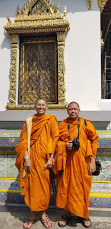
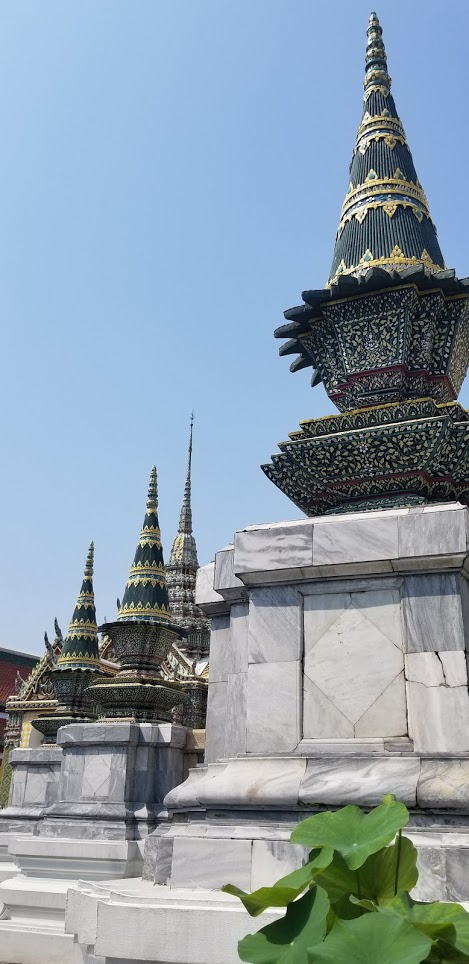
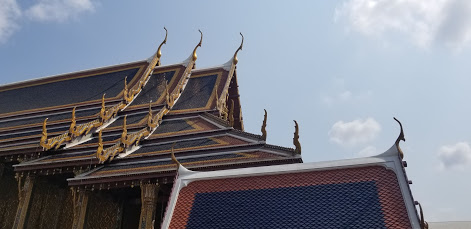
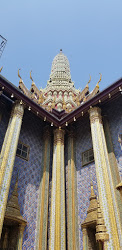
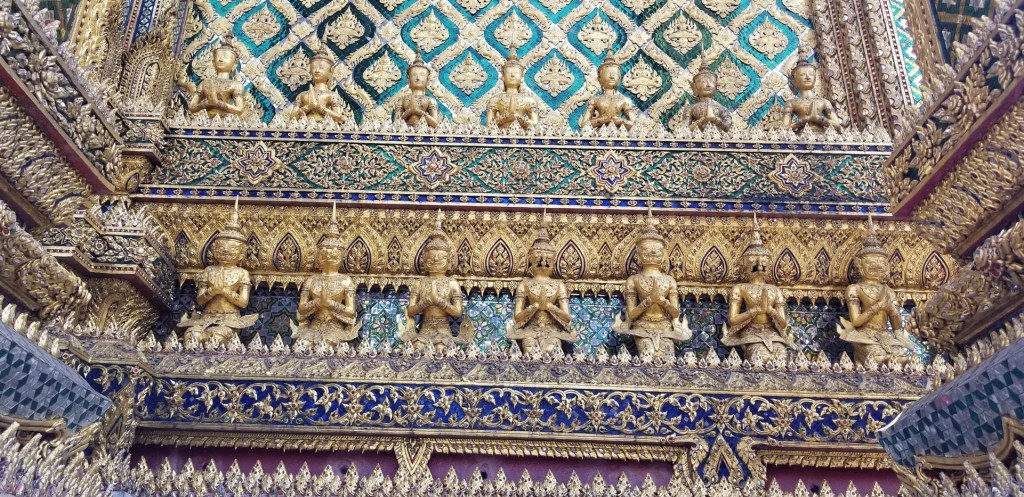
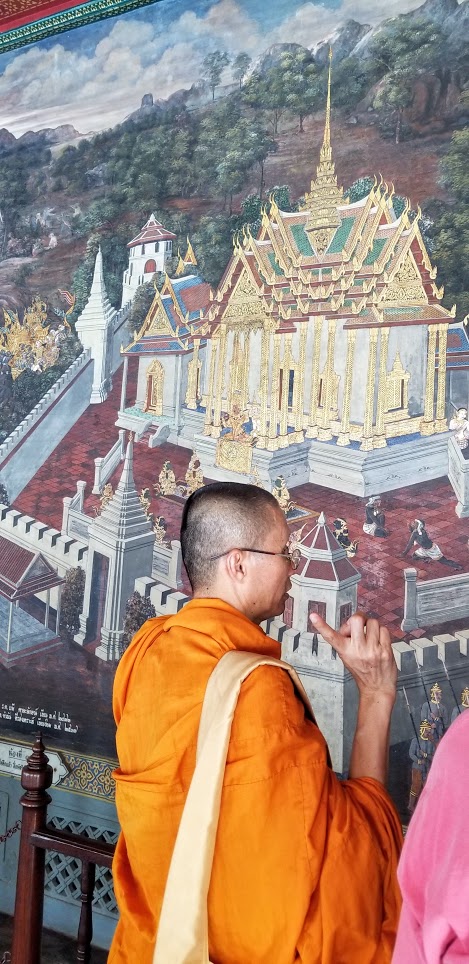
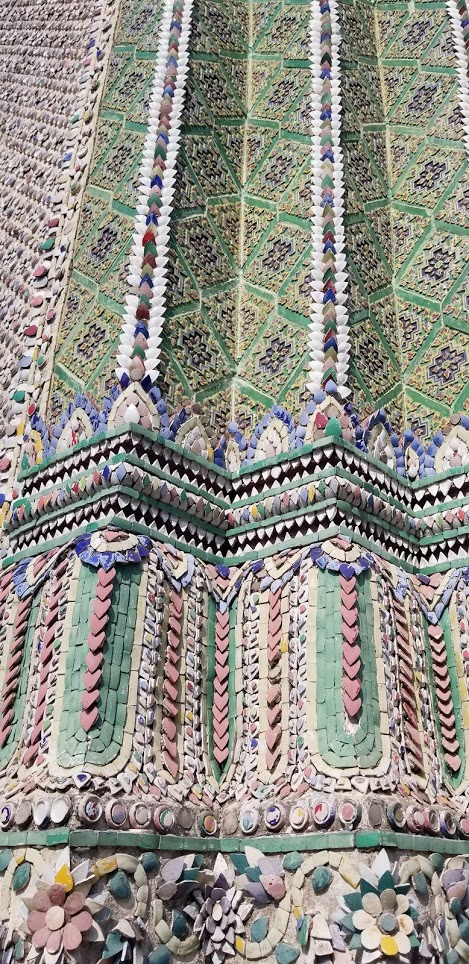
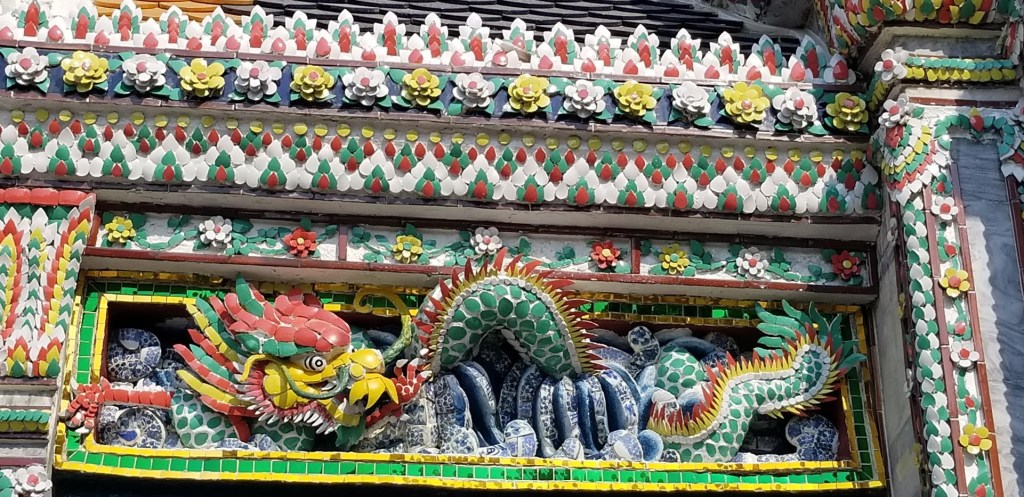
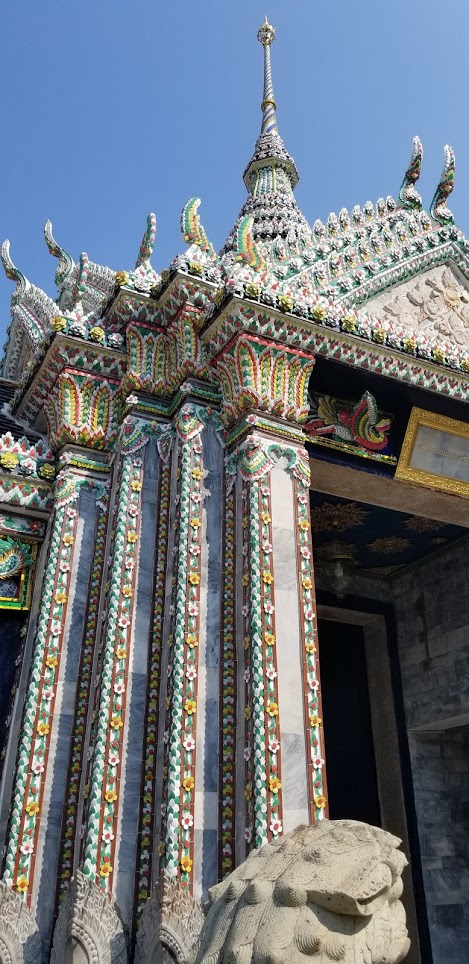
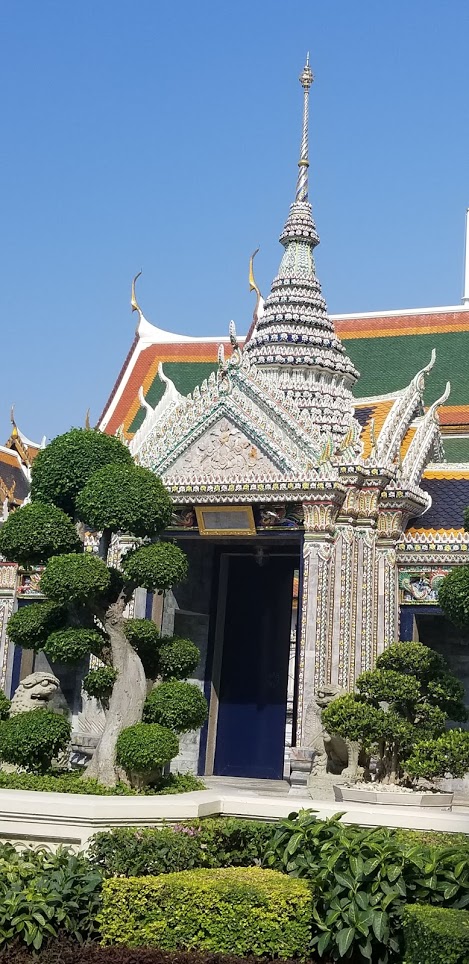
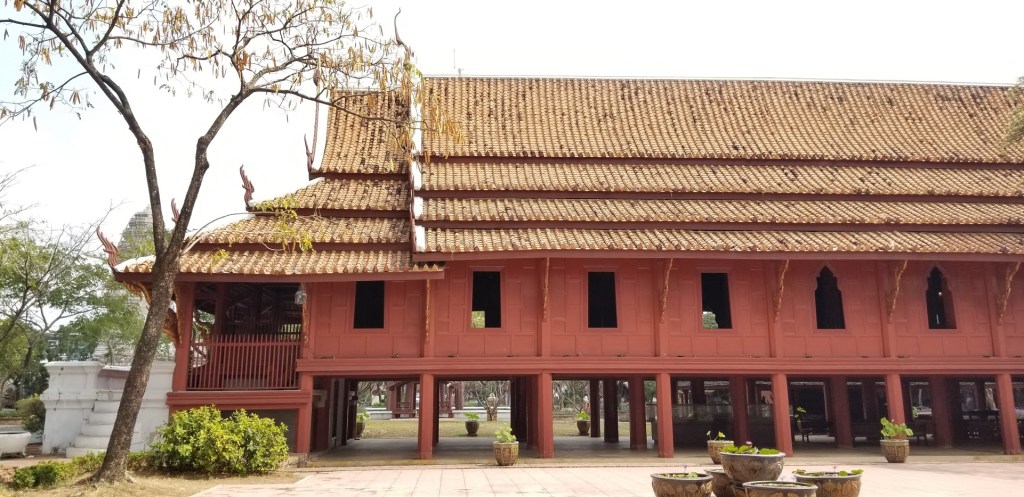
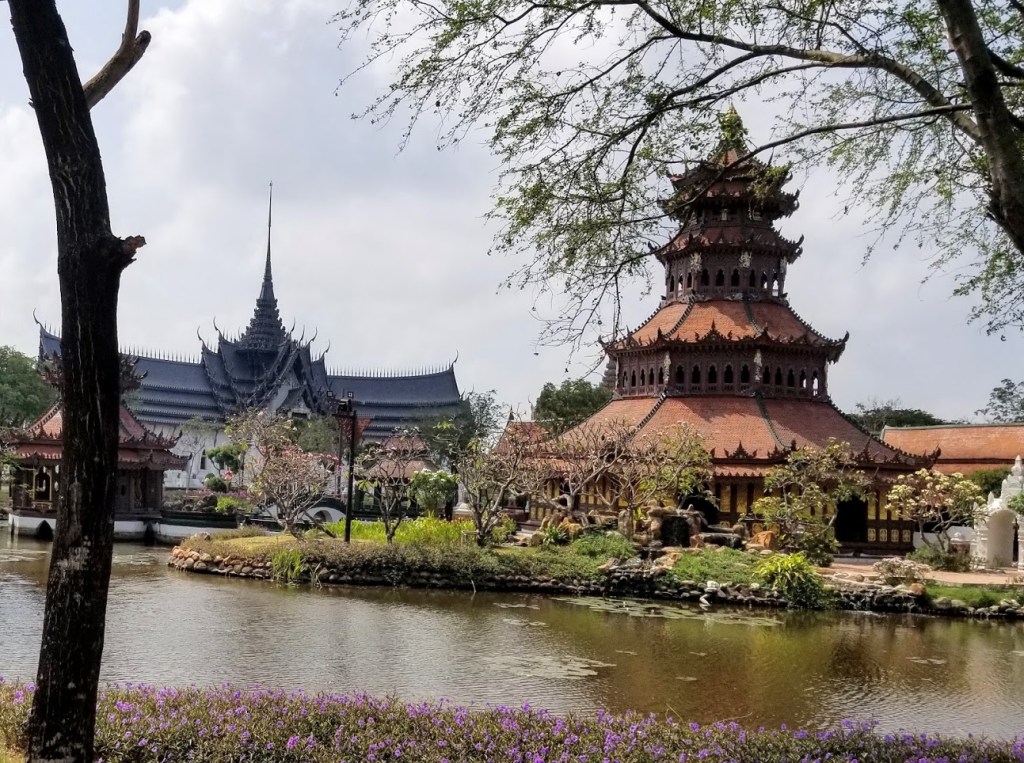
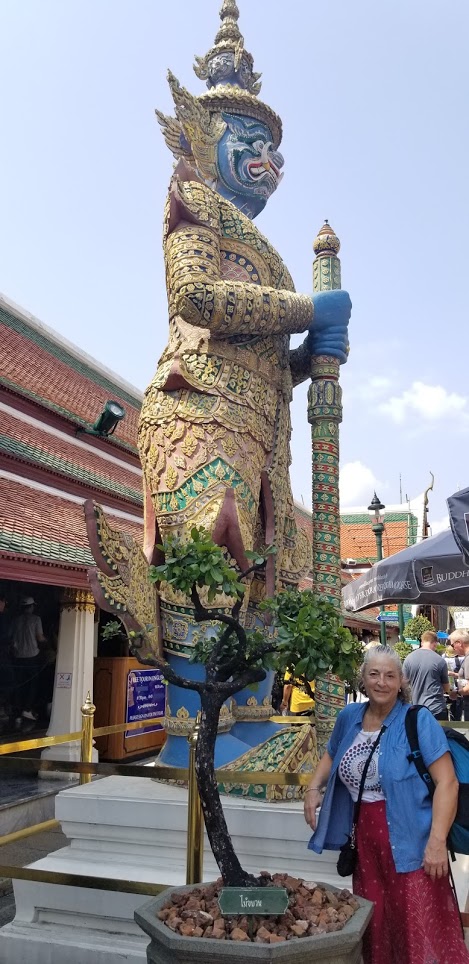
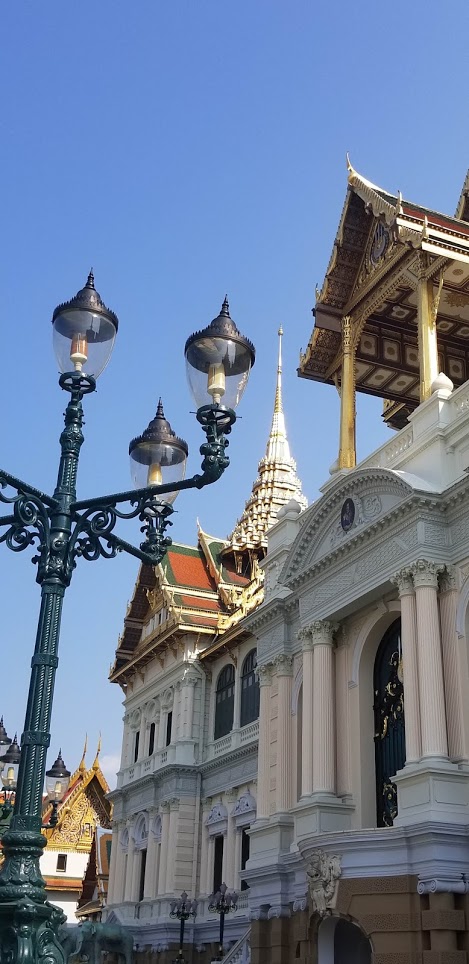
The architecture of Thailand is AMAZING! It is important to the country’s culture as well as it’s religious beliefs. I am drawn to the symmetry of the structures. Prior to visiting Wat Phra Kaeo, Phra (Monk) Suraphet gave us an overview on the different components of Thai architecture, mostly as it relates to a Thai temple. The Buddhist temple is not just one building, but often a collection of buildings, shrines, and monuments within a courtyard that is enclosed by a wall that divides it from the secular world. Regardless of how plain or ornate the temples are, they usually consist of several buildings that contain similar elements: Boundary Stone, Assembly Hall, Stupa/Chedi/Vihara, Corn Cob Shape Stupa (Cambodian style), Bell Tower and a Pavilion with a pyramidal roof. My pictures below capture the typical roof lines of a temple and some of the monuments mentioned. Phra Suraphet explained that from an architectural standpoint, sometimes in Thailand you cannot separate Buddhism and Hinduism. Multiple roof tiers are an important element of the Thai temple. Perched on the peak is a large curving ornament which resembles the beak of a Garuda. The Garuda is described as a legendary bird or bird-like creature and is also the national emblem of Thailand. On the lower tiered roof lines is the Naga head (serpentine). In Buddhism, both animals protect Dharma (the teachings of the Buddha).


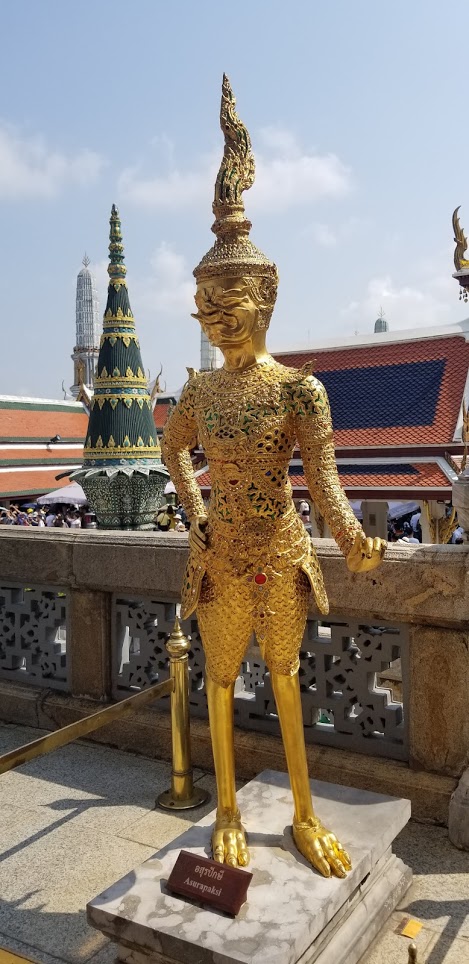
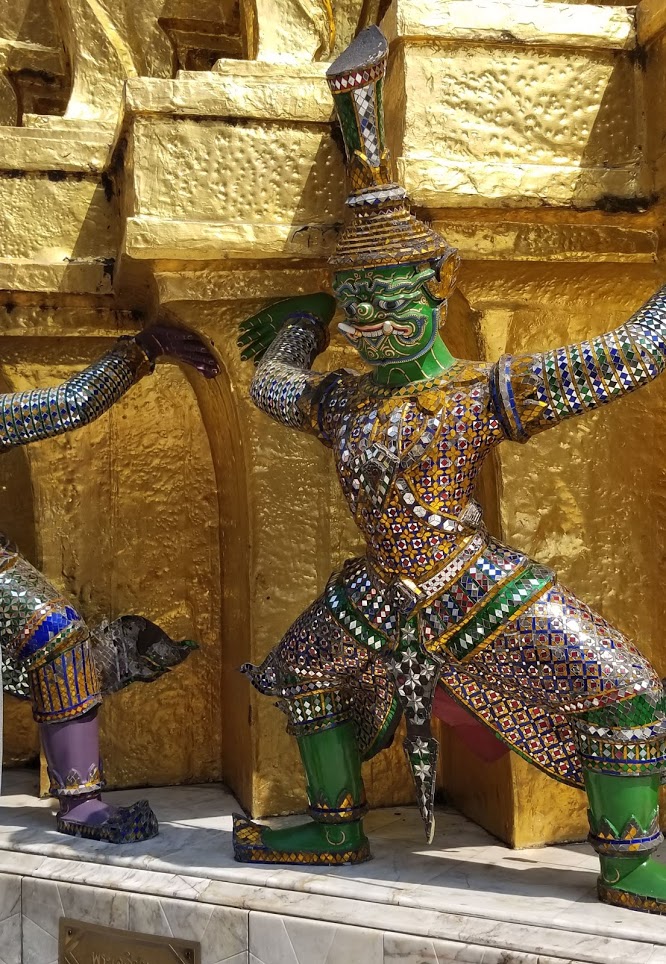
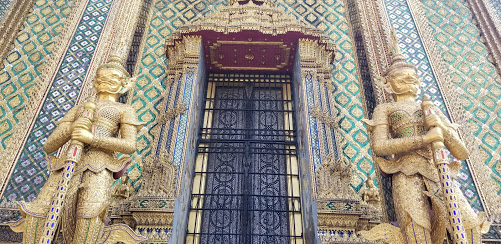
Temple Guards 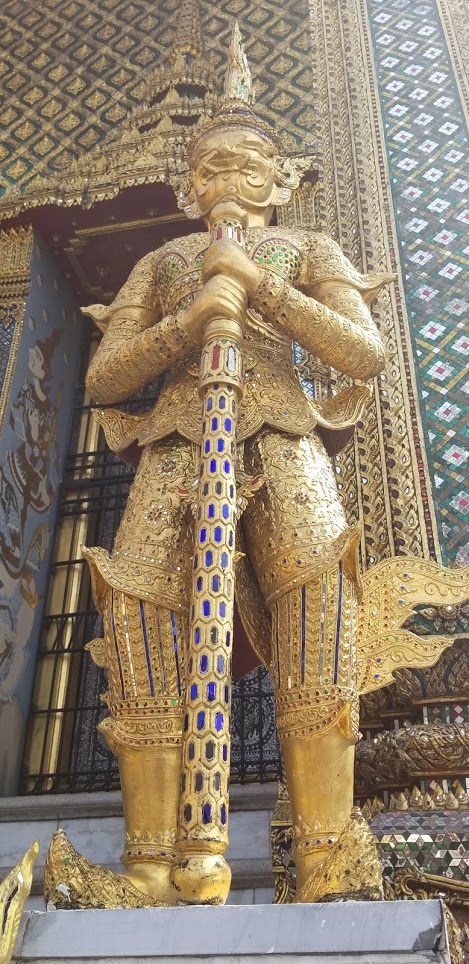

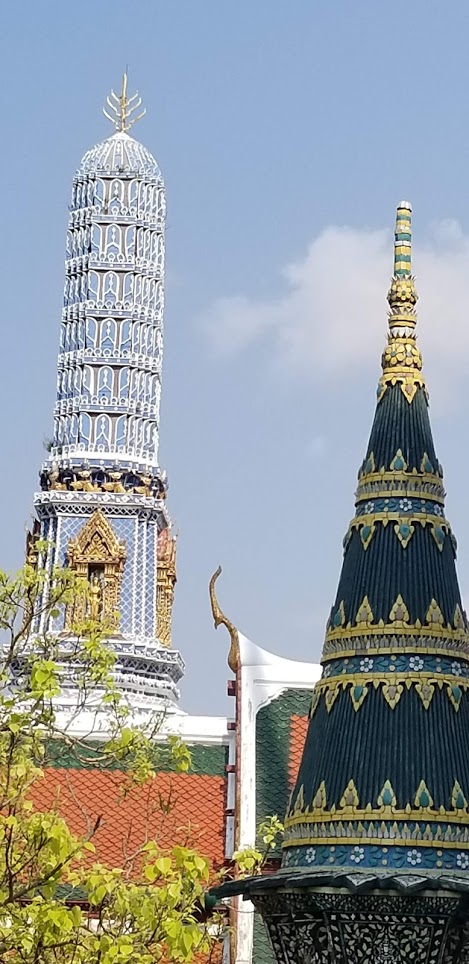

Corn-Cob shaped Stupa 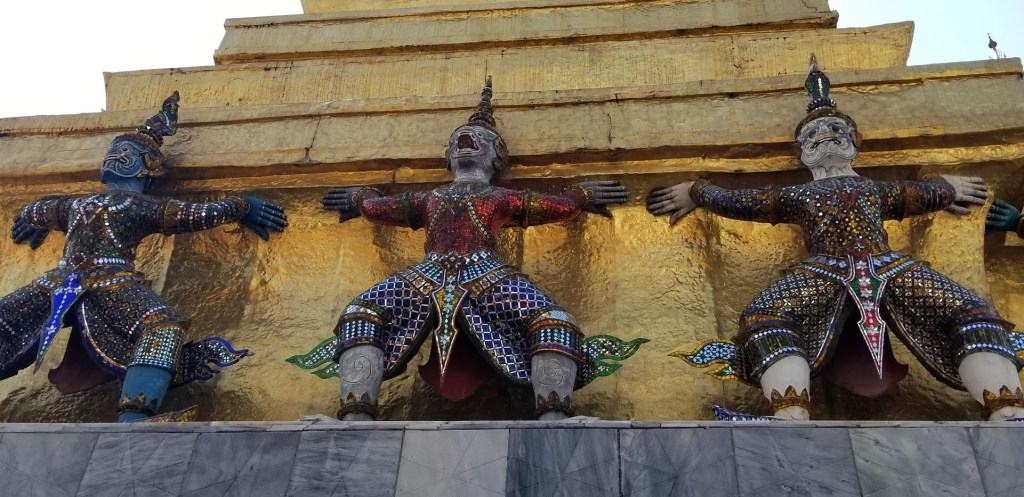

Garuda 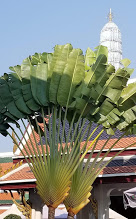
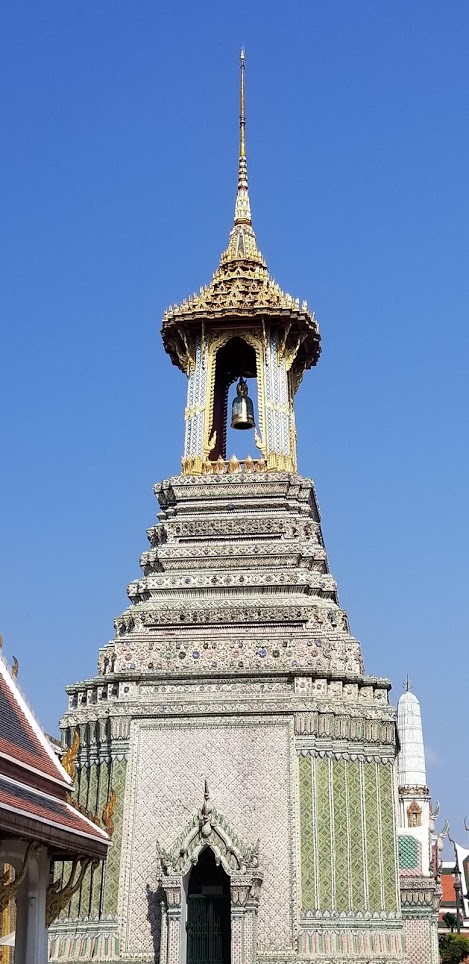
Bell Tower 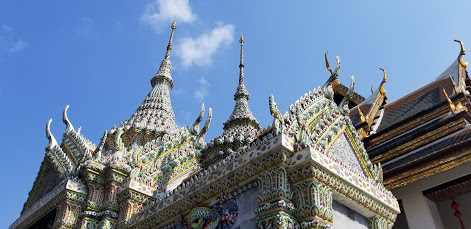
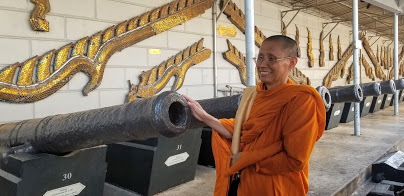
Phra Suraphet said that these (cannon) will be used again after WWIII 🙂
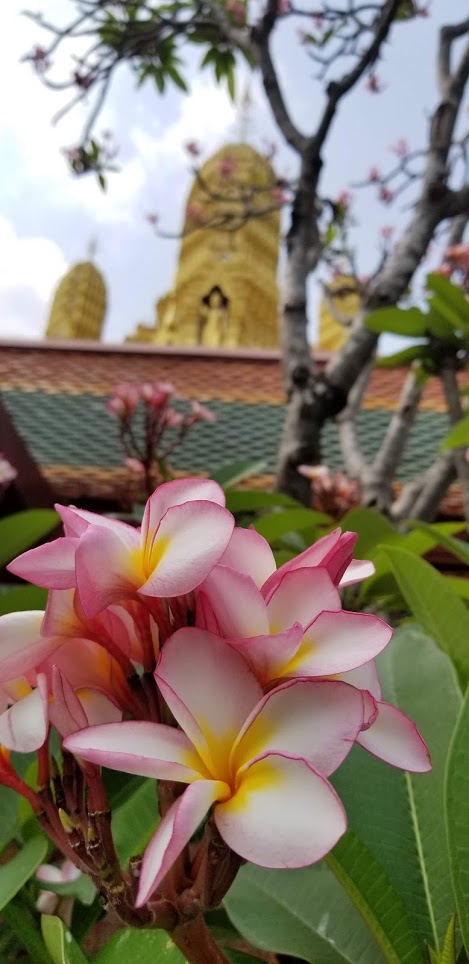
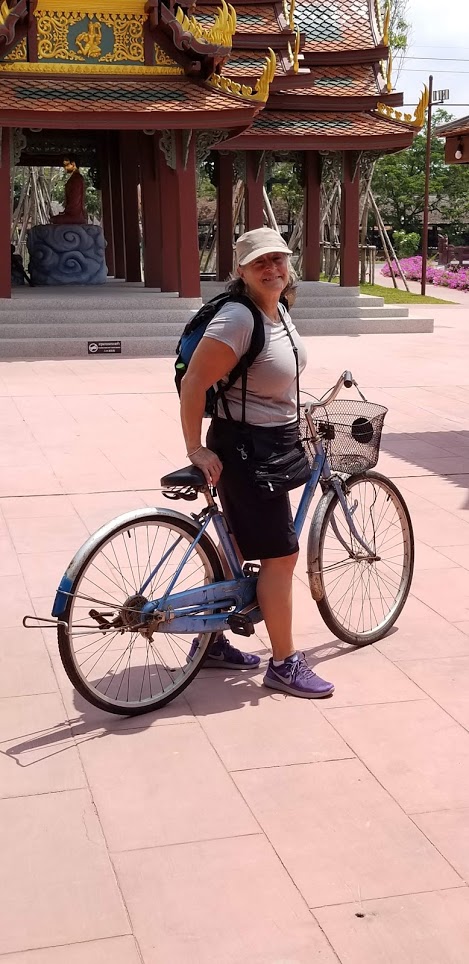
We visited The Ancient City just outside of Bangkok. The park contains life-size or nearly life-size reproductions of over 100 monuments, palaces and other buildings from each province in Thailand. It was a wonderful opportunity to view these works of architectural artistry in one place. We rode on a guided tram part way then rode bikes to re-visit sites and take pictures.


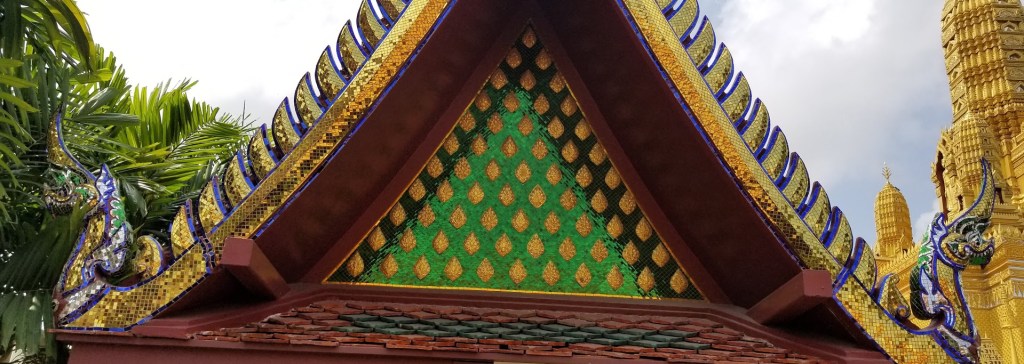
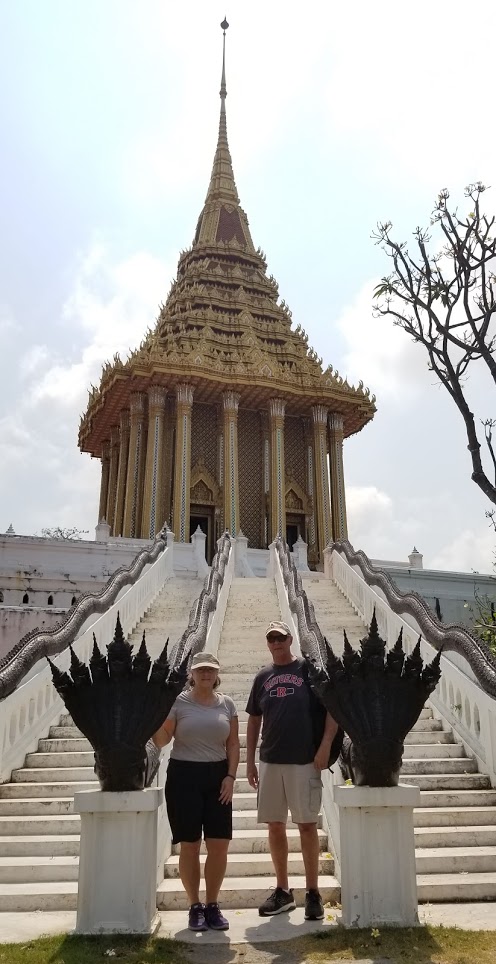
NAGA 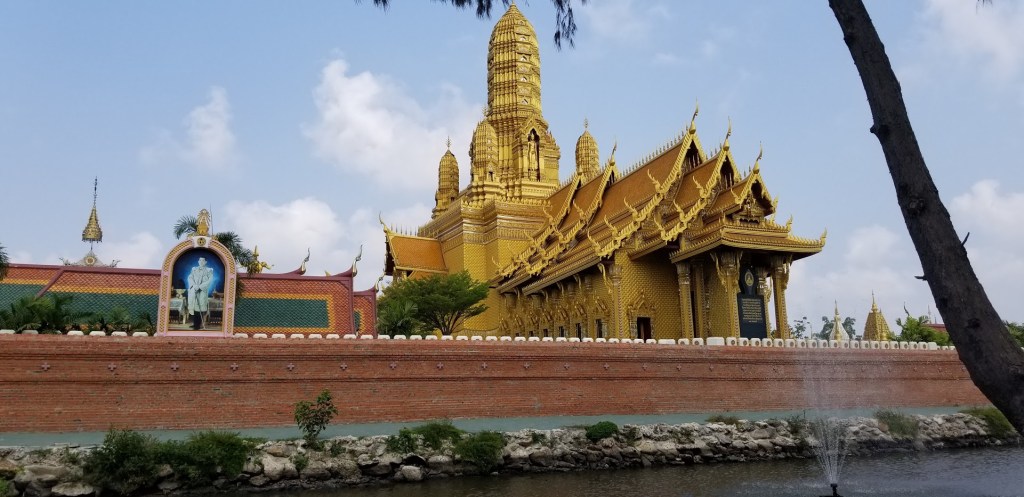
Pagoda Influence 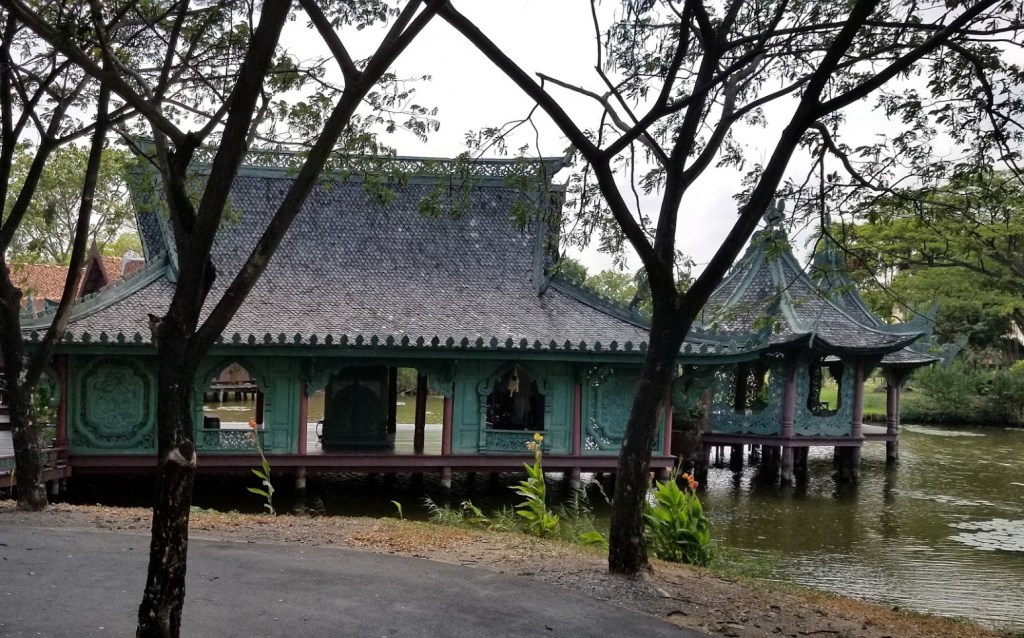
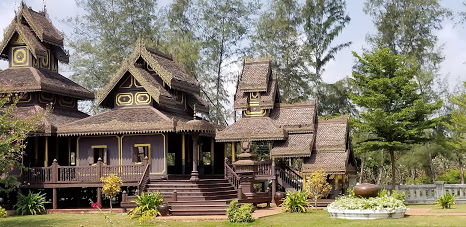
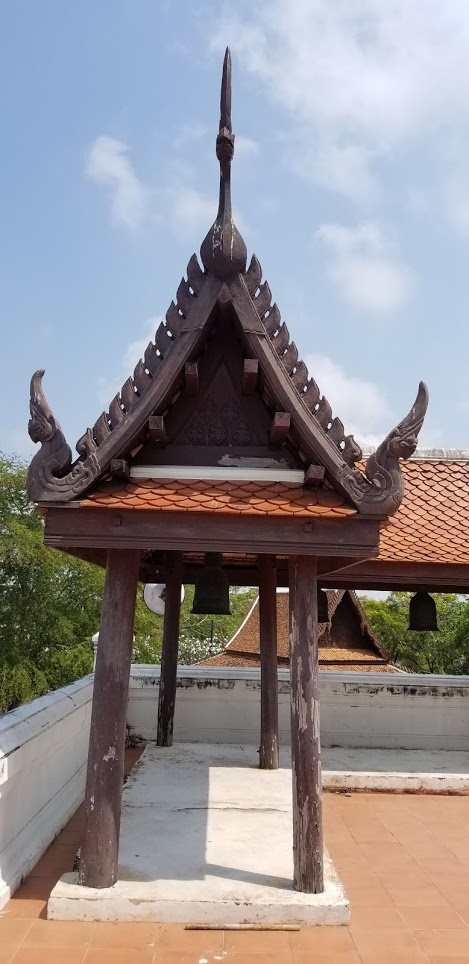
Bell Tower 

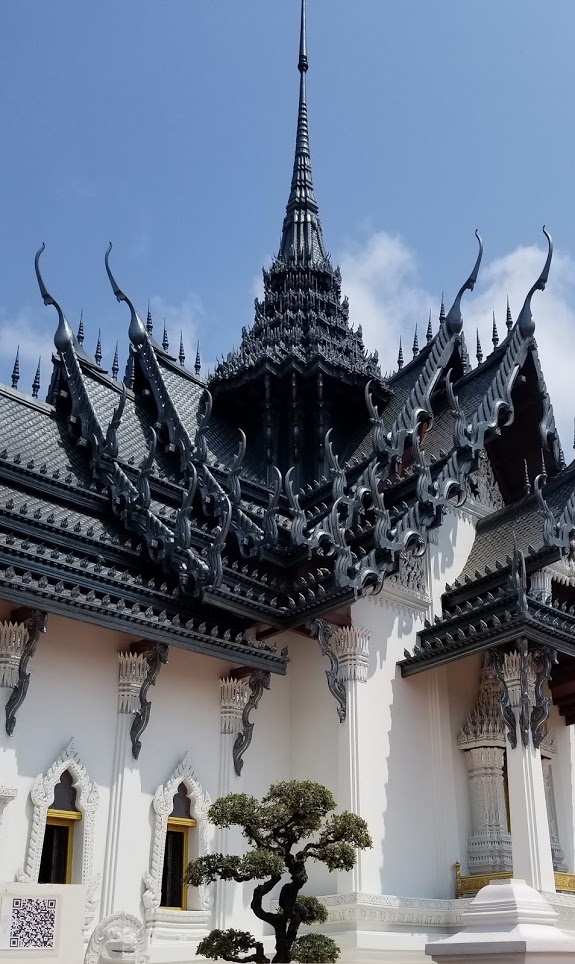
Grand Palace
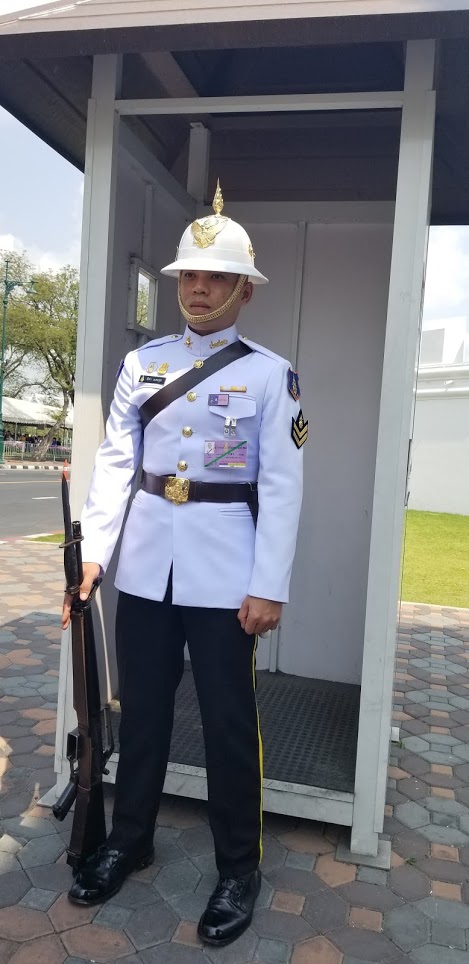
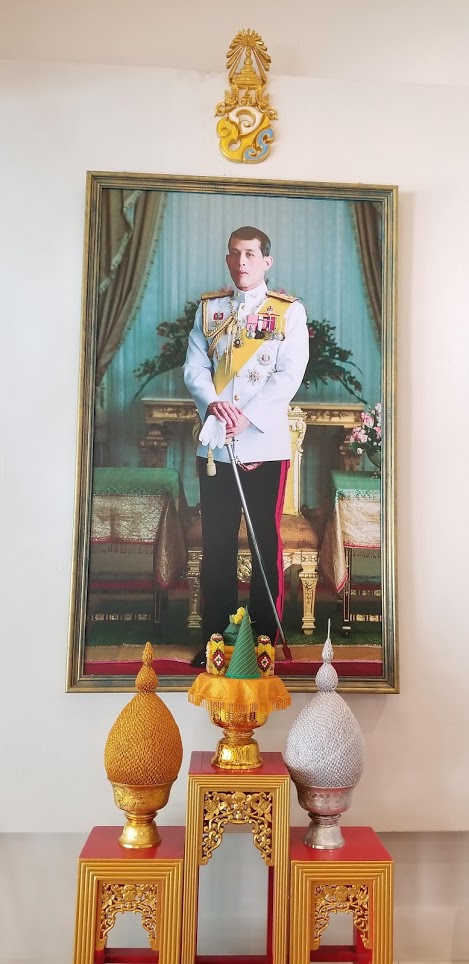
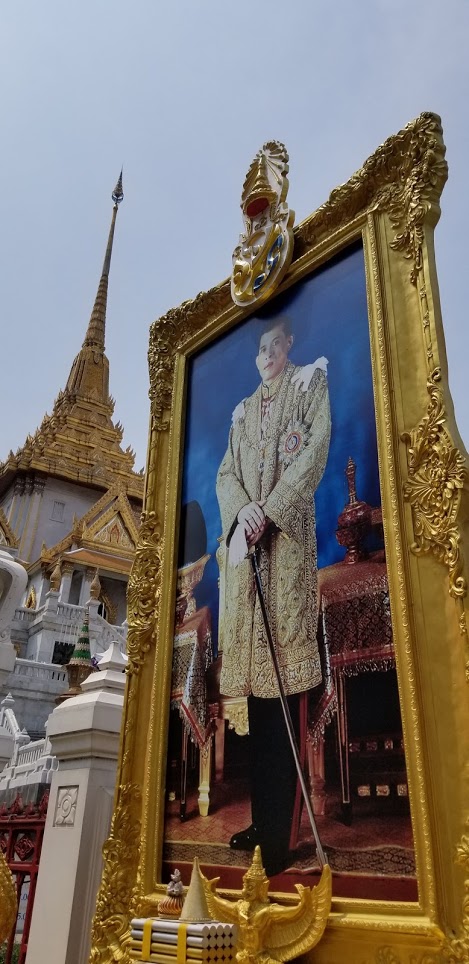
The Grand Palace was the former royal residence. Although the royal family no longer live there, Thailand is a kingdom, and a kingdom would be incomplete without a gorgeous palace complete with austere guards standing at the palace entrance. The late King Bhumibol Adulyadej of Thailand died in October 2016, but two years later, preparations are beginning for the coronation ceremony of his son, His Majesty King Maha Vajiralongkorn. The ceremony is scheduled May 4 – May 6, 2019 in Bangkok. Pictures of the late King and and King-to-be are not only on the Thai Baht currency, but huge framed enlargements of the royalty can be seen everywhere around Bangkok.
The Thai general elections are scheduled soon on March 24th, so campaigns are in full swing. My understanding is that the campaign period can only last 6 weeks prior to the election. Six and done! It scared me initially when a truck would pass by covered with large campaign signs and shouting loudly (“vote for me” – in Thai) through a megaphone! I’m sure the political system is much more complicated, but for my simple mind, there are basically two voting parties; The Red shirts who follow the Prime Minister, and The Yellow shirts who are more conservative and follow the Government.


Spirit Houses
Spirit Houses are seen outside homes, businesses and other buildings as a shrine to protect the spirit of the place. Oftentimes, they are located next to a tree. The spirit house is normally in the form of a small Thai architecture roofed structure and is mounted on a platform. We saw one the other day that was adorned with women’s clothing because the people believe that particular spirit is a woman. Visitors to the spirit house bring candles, incense, flowers, food and drinks, etc.
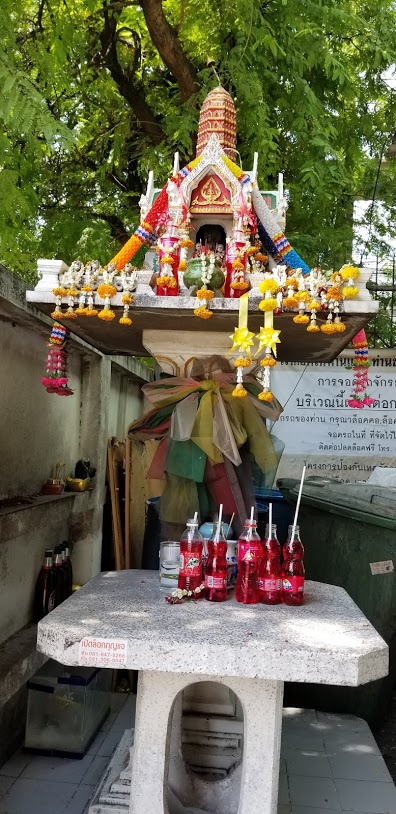
“Woman” Spirit House 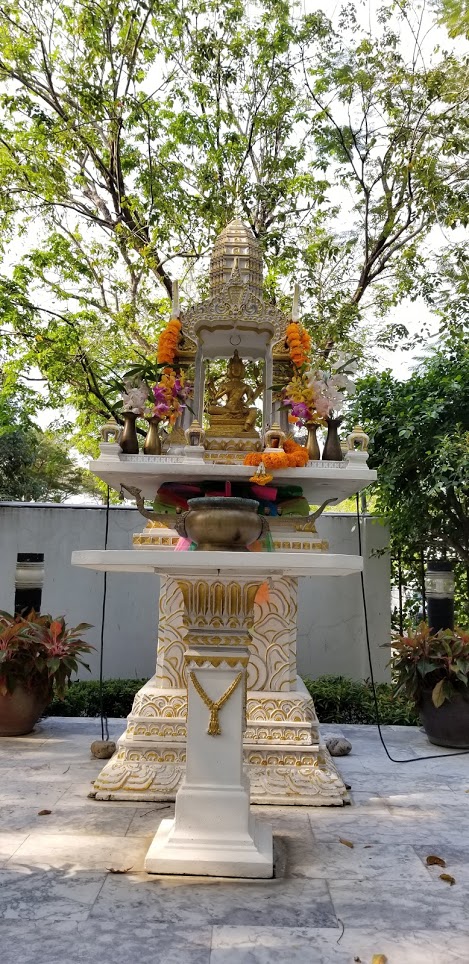

 Embracing Gray