“Don’t try to use what you learn from Buddhism to be a better Buddhist; use it to be a better whatever-you-already-are.”
Dalai Lama – 14th
Teachers
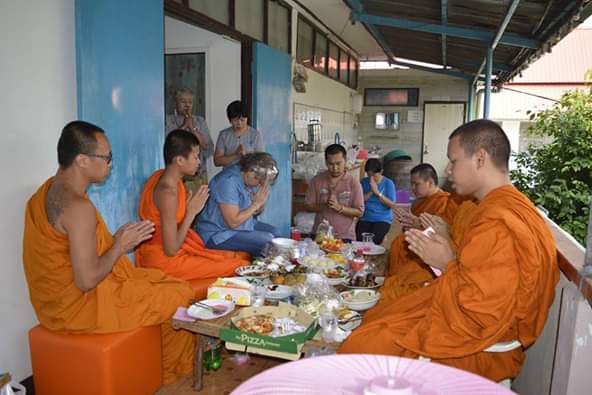
The Buddha instructed his monks to “teach”. The use of the word, teach, is significant. Neither the Buddha nor his disciples attempted directly to proselytize, nor have Buddhists ever done so, for a Buddhist respects all religions.
I chose to volunteer with the Maryknoll missioners because there is never any type of proselytizing in the program. Maryknoll missioners demonstrate their faith by acts of compassion and charity while showing total respect for the religions practiced by the persons with whom they work.
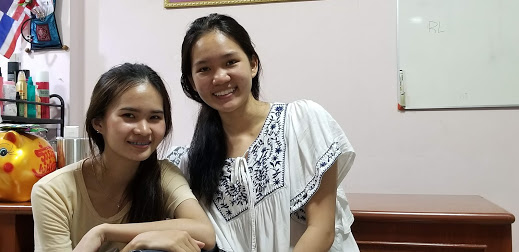
All teachers are highly regarded in Thailand. I continue to be taken aback by the respect and admiration for teachers. Whether teaching English in the classroom or attending an event, I almost feel like a movie star with people wanting their picture taken with us and treating us like royalty!
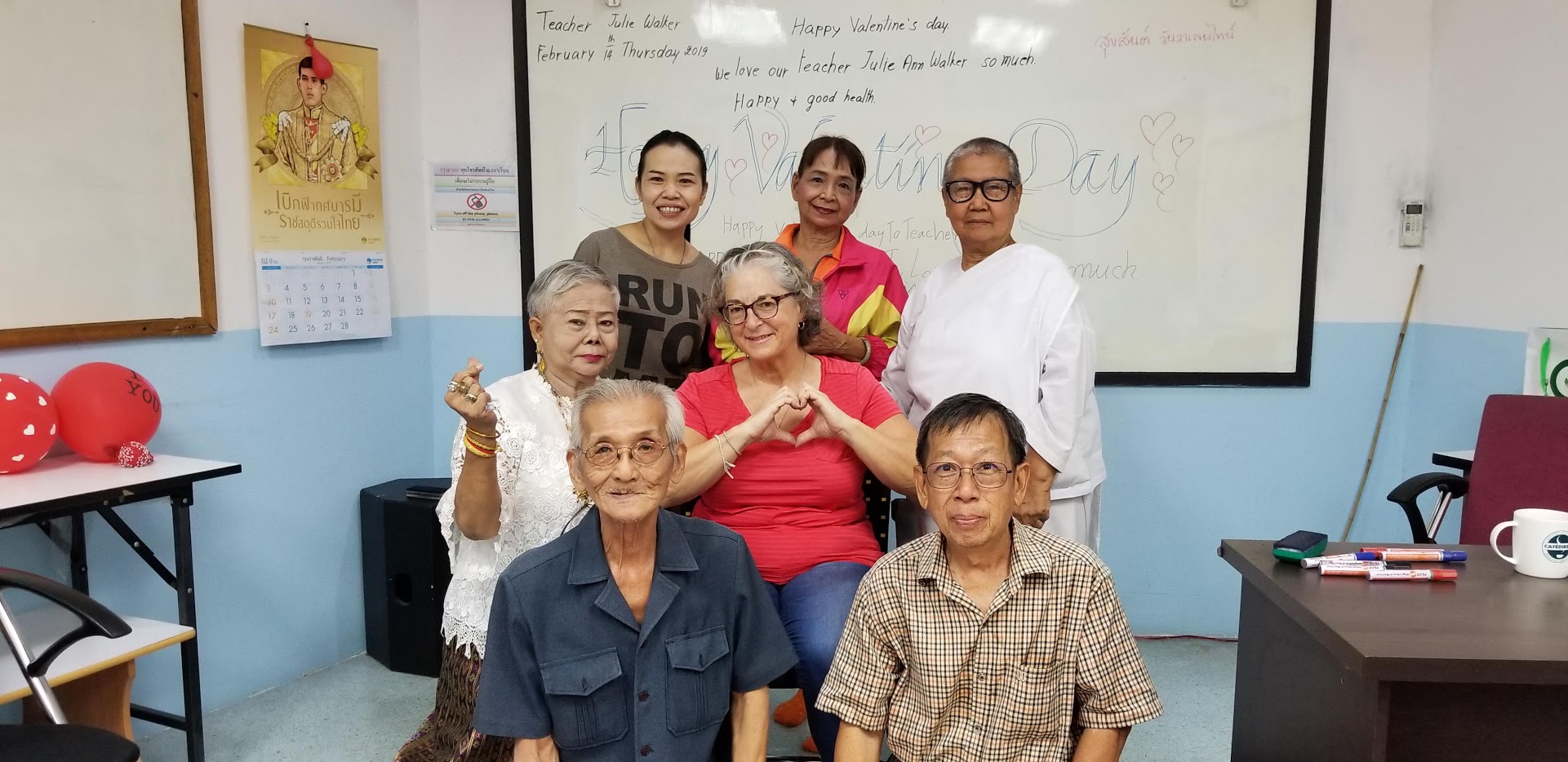
Happy Valentines Day!
I love my students!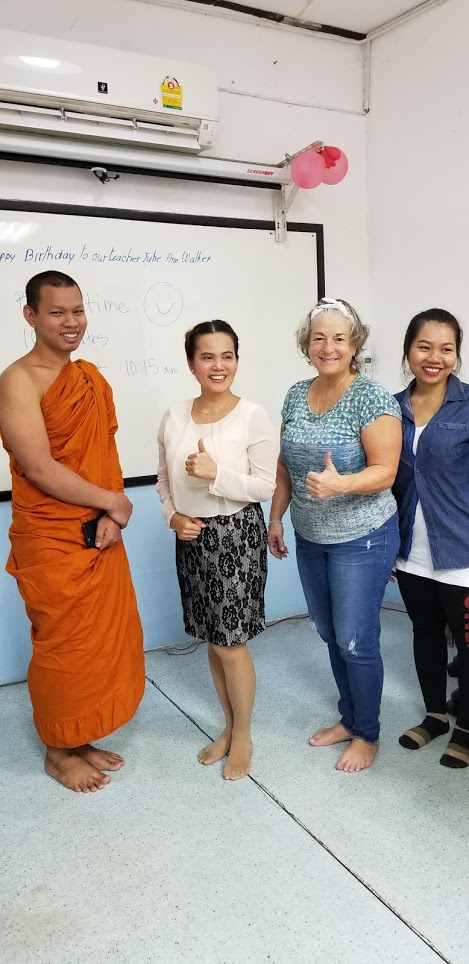
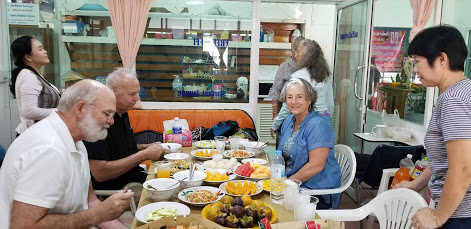
Happy Birthday Teacher Julie!
My students planned a potluck, even pizza!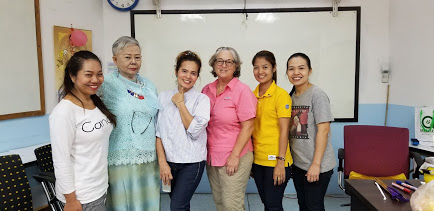
The Jungle
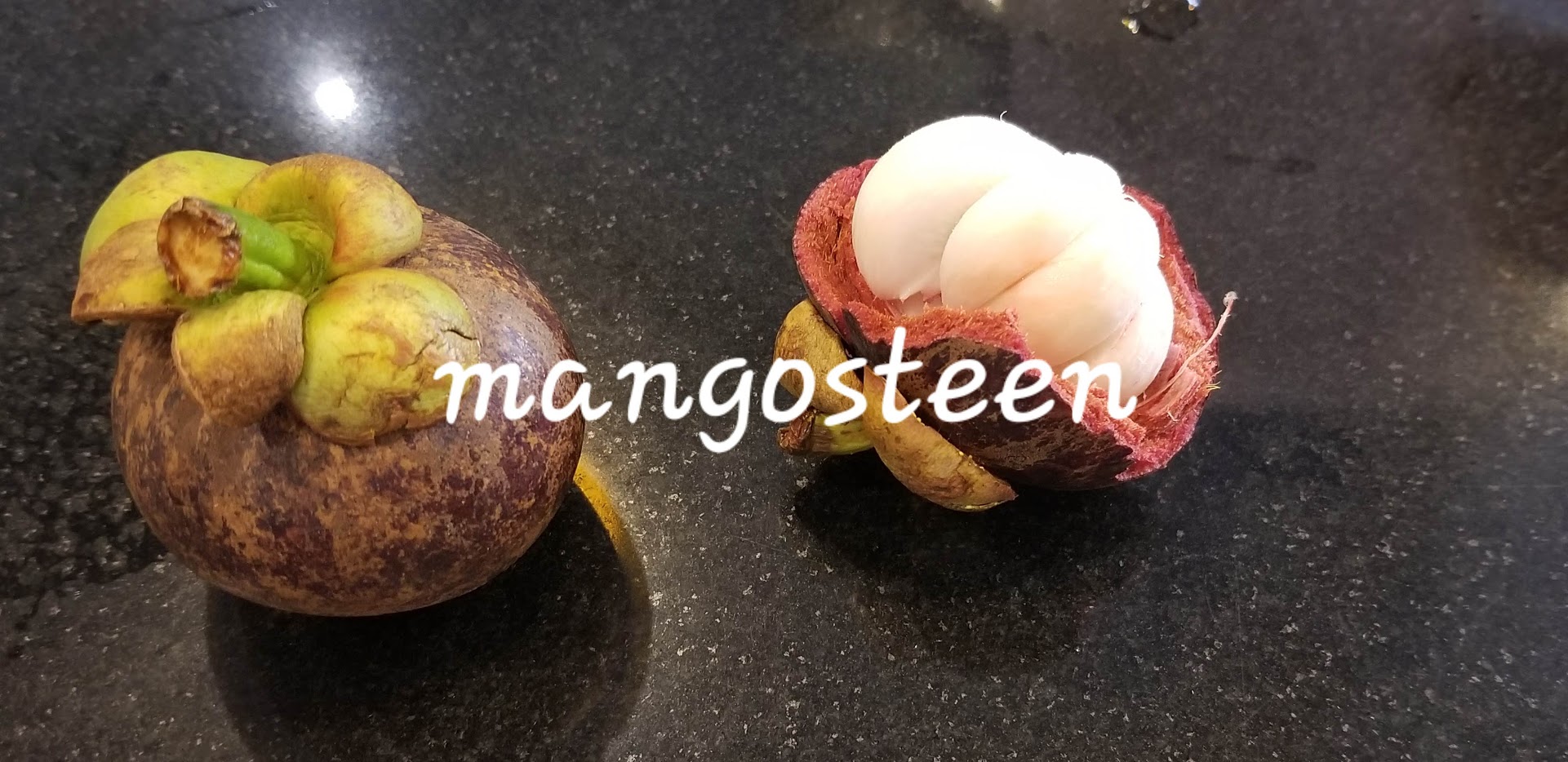
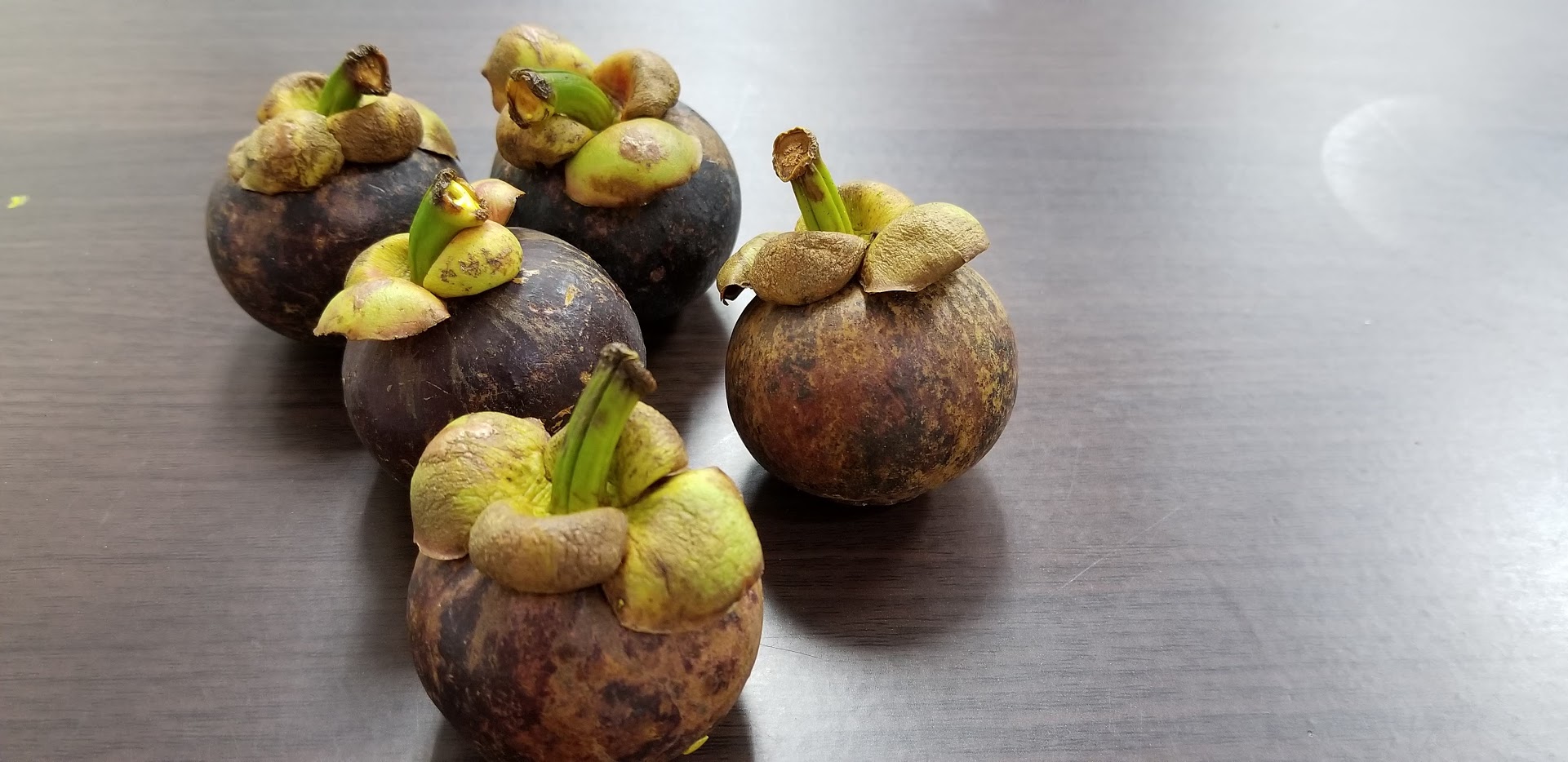
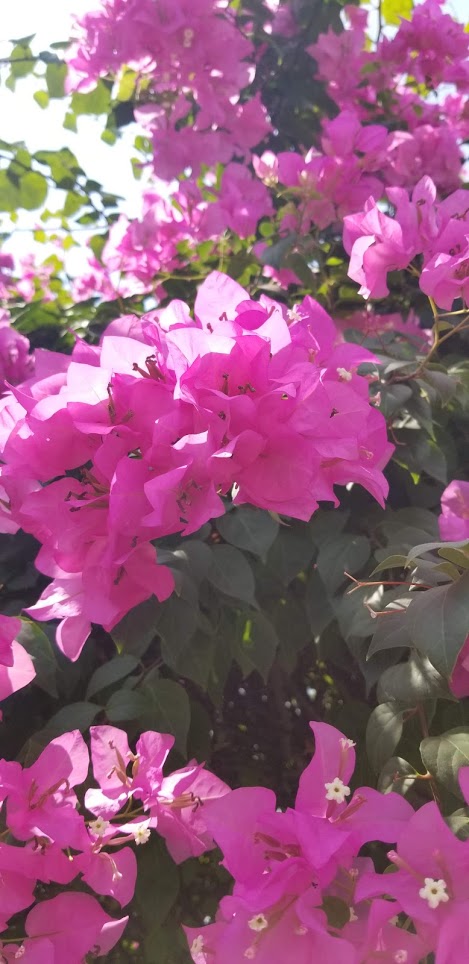
The population census for Bangkok in 2017 boasts 70 million people. Skyscraper buildings and cranes promoting growth are seen throughout the city. Sometimes I forget that we are in a jungle until I see the beautiful orchids and other exotic flowers and fruits prevalent in the everyday culture. I’m in love with the Mangosteen, or Jewish Mango as Bro. Tim refers to them. In fact, I’m eating some as I write – they have such a sweet/tart flavor! Other fruits from the street vendors are served with a sweet/spicy dipping condiment. I just received a “dragon fruit” but haven’t cut in to it yet. I’ll let you know what I think . . . next blog post.
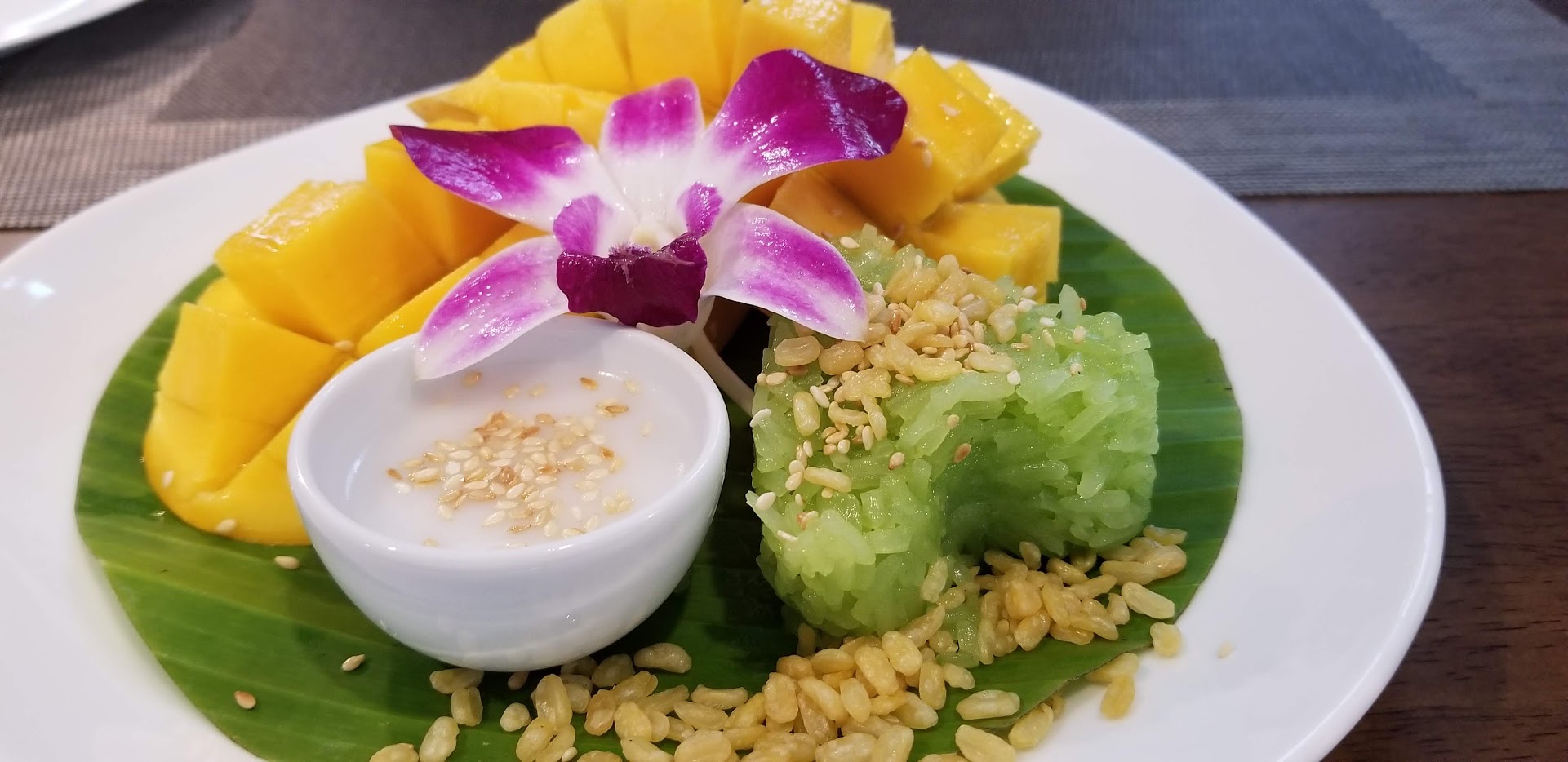
Mango & Sticky Rice with coconut milk and nutty sprinkles 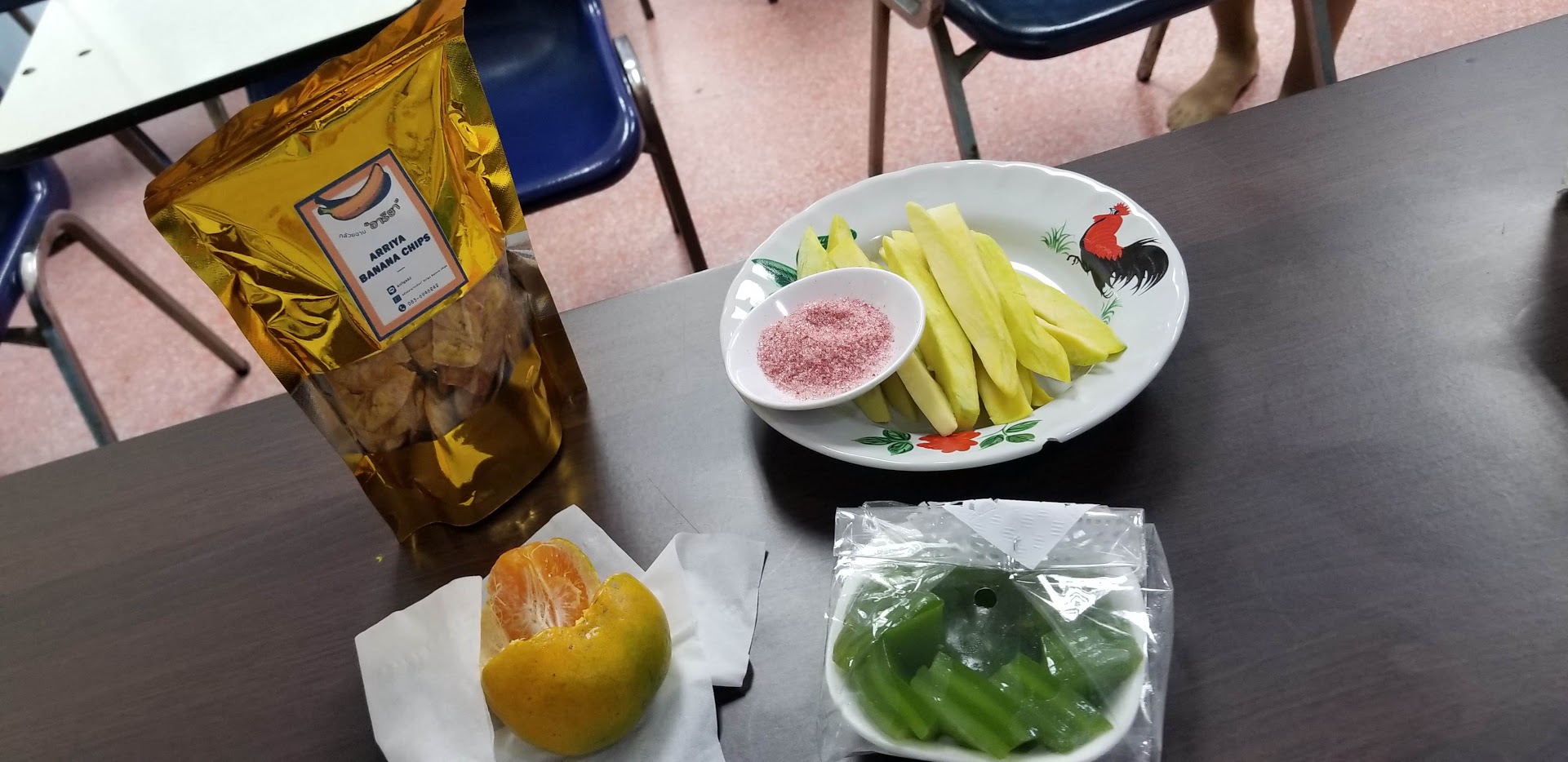


Massage Dog 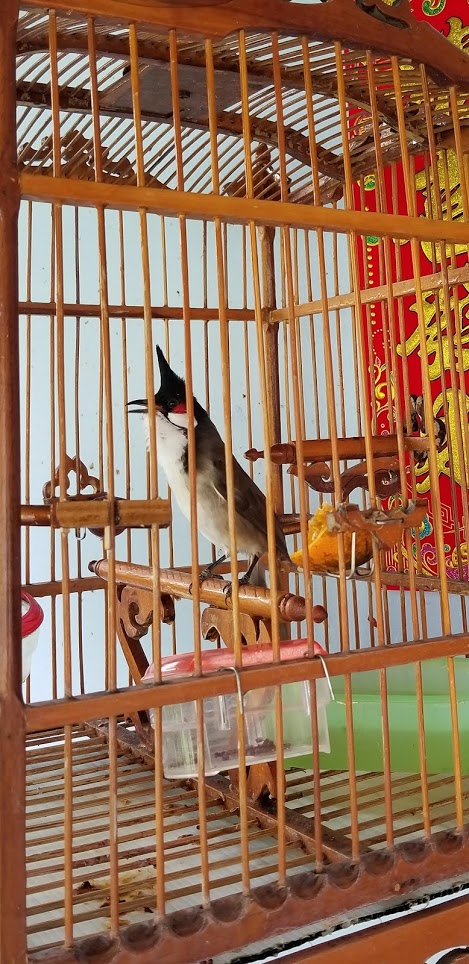
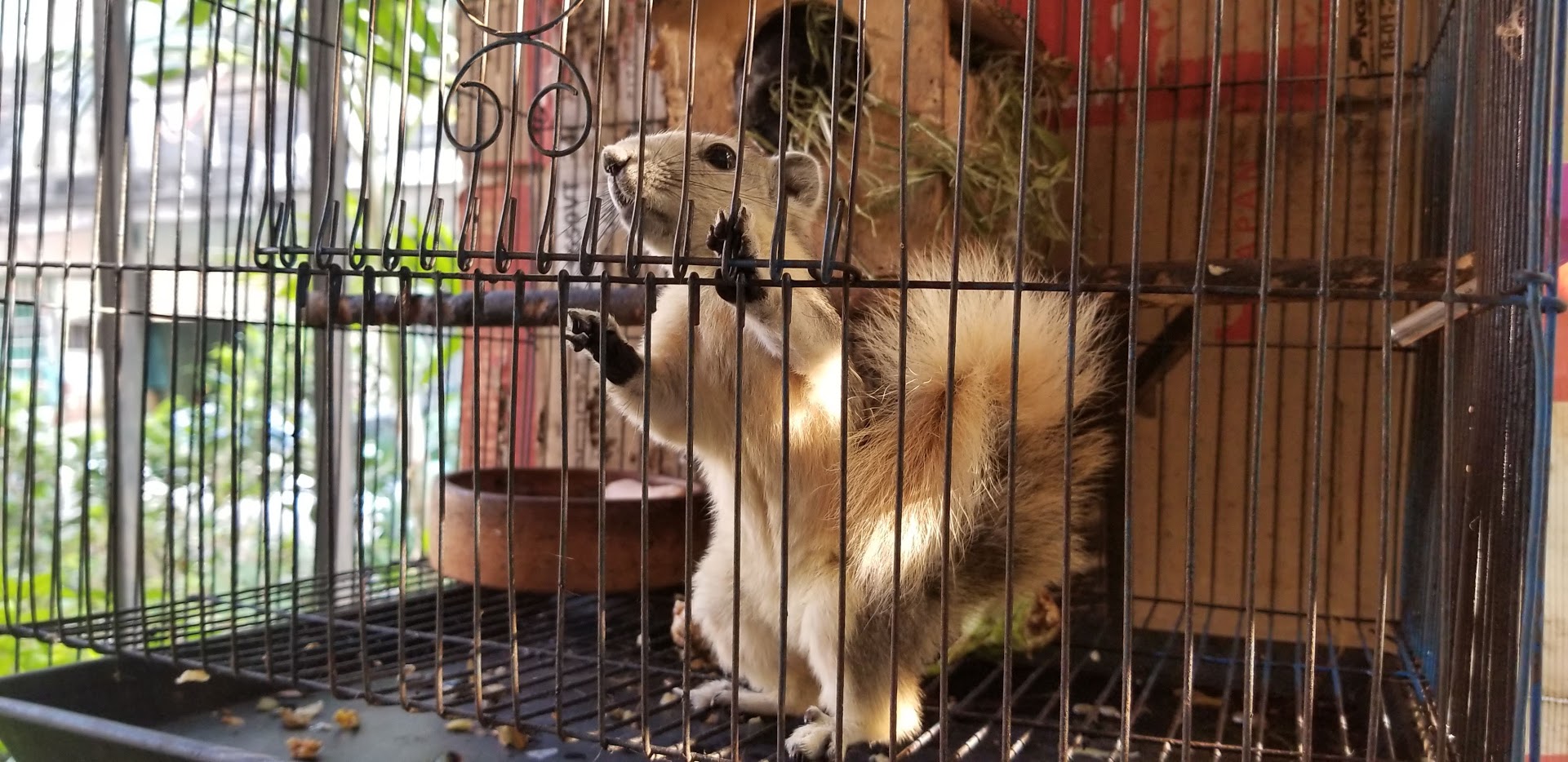
Apartment Tenant 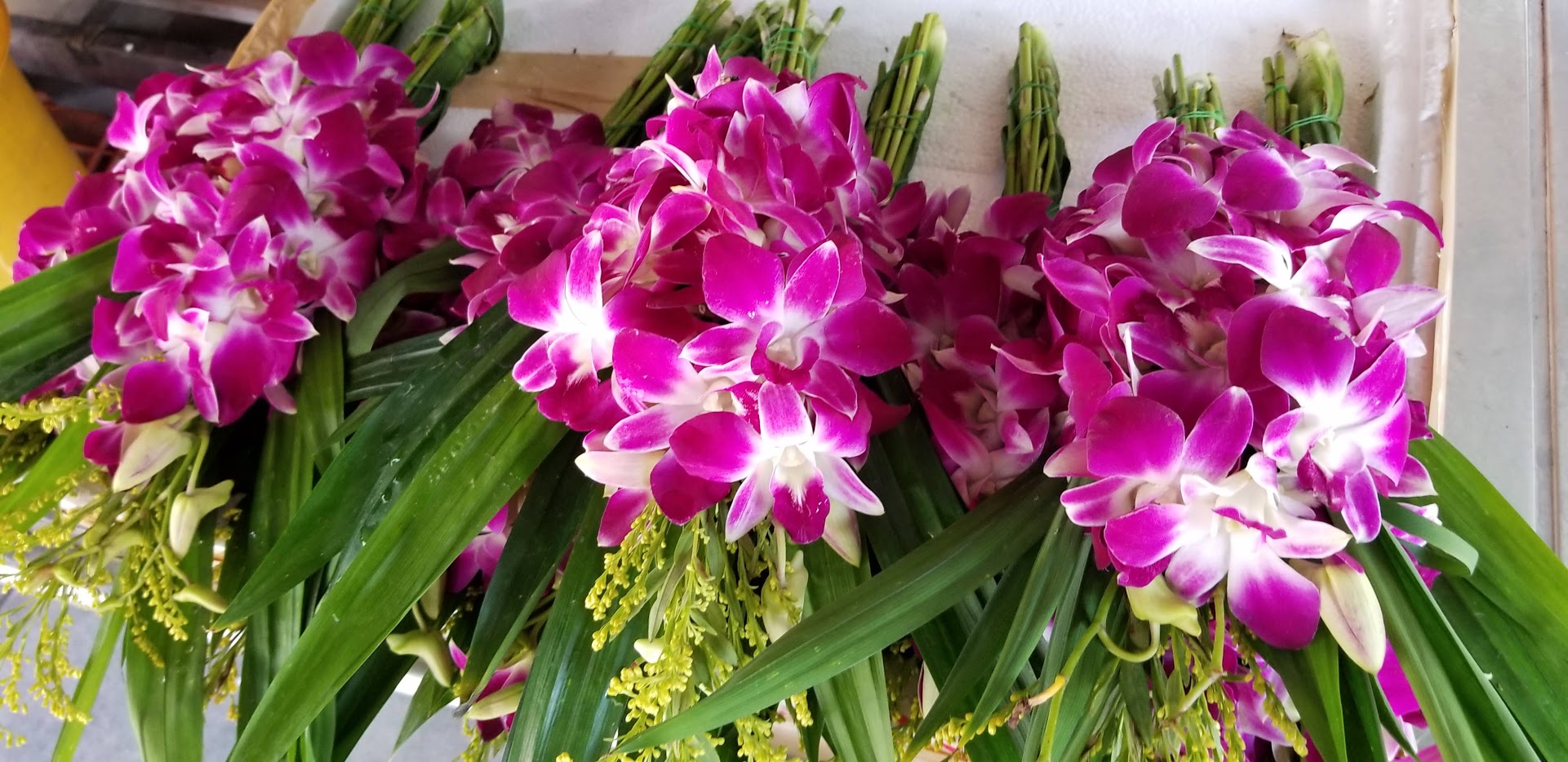
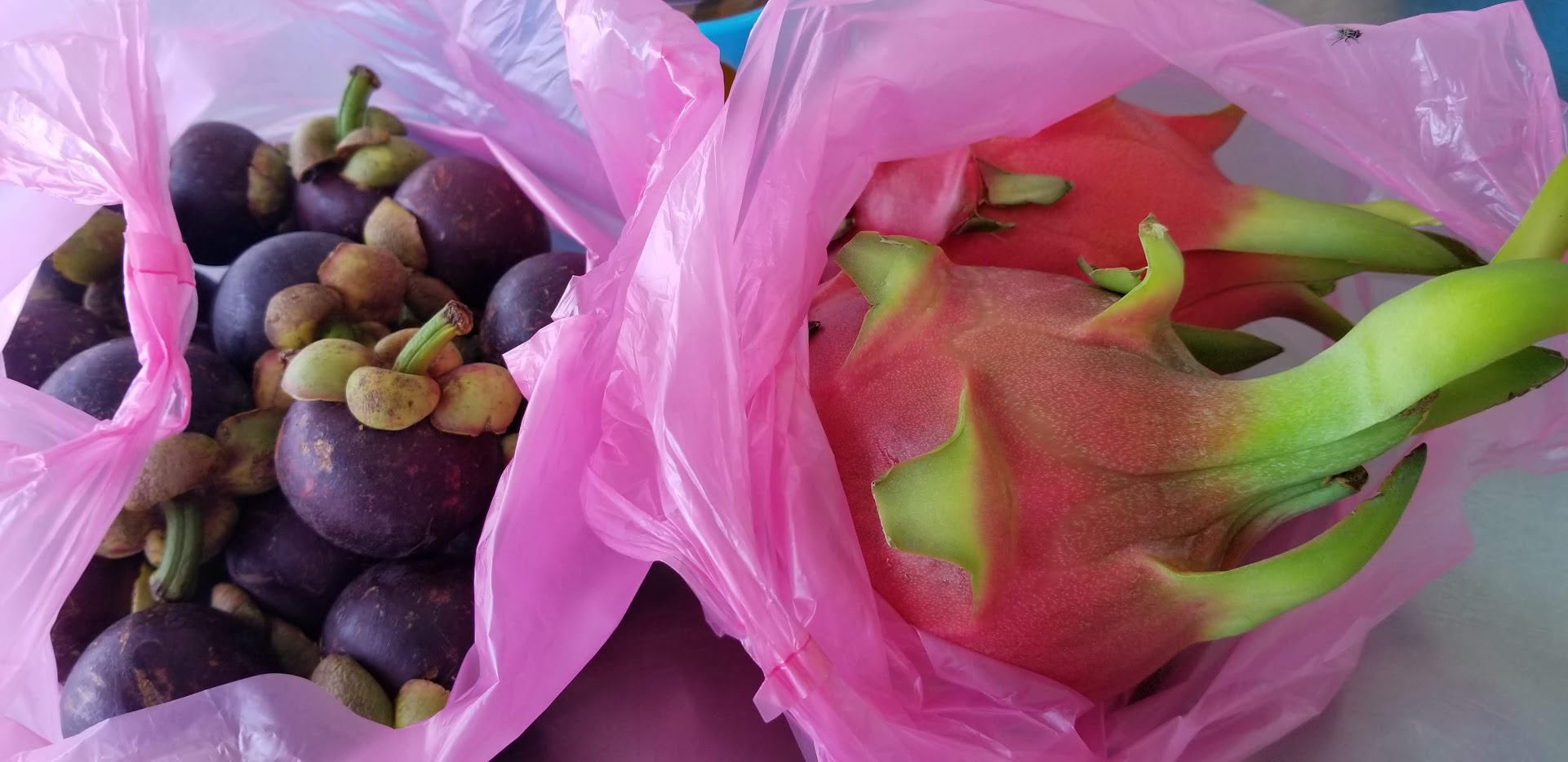
Dragon Fruit 
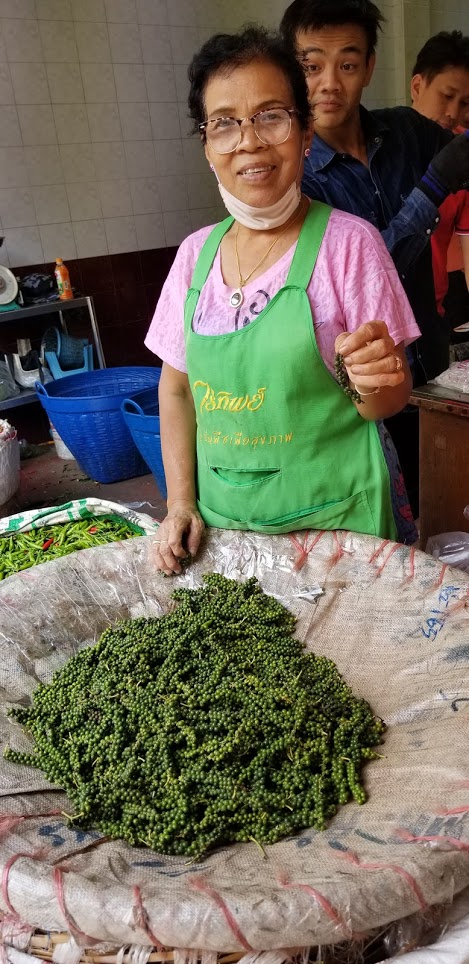
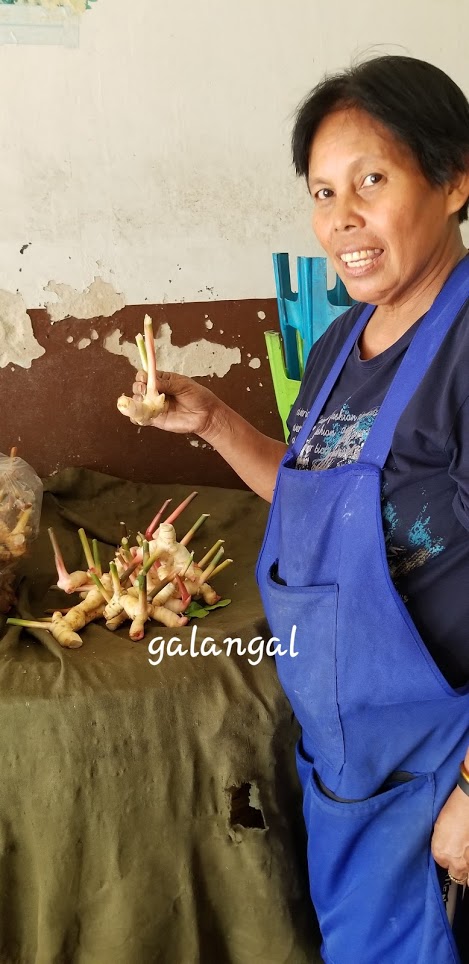
Spicy!!! 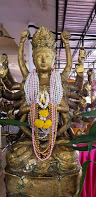
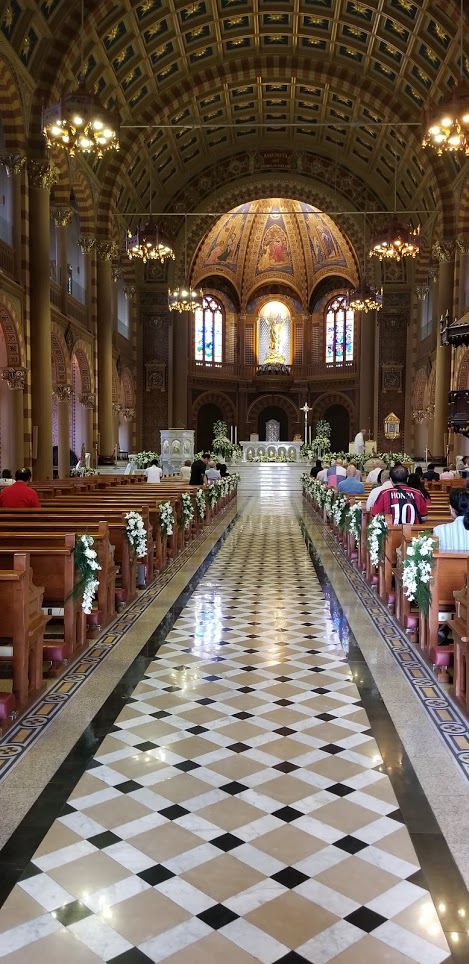
Wedding flowers at the Cathedral 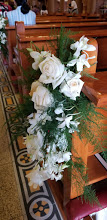
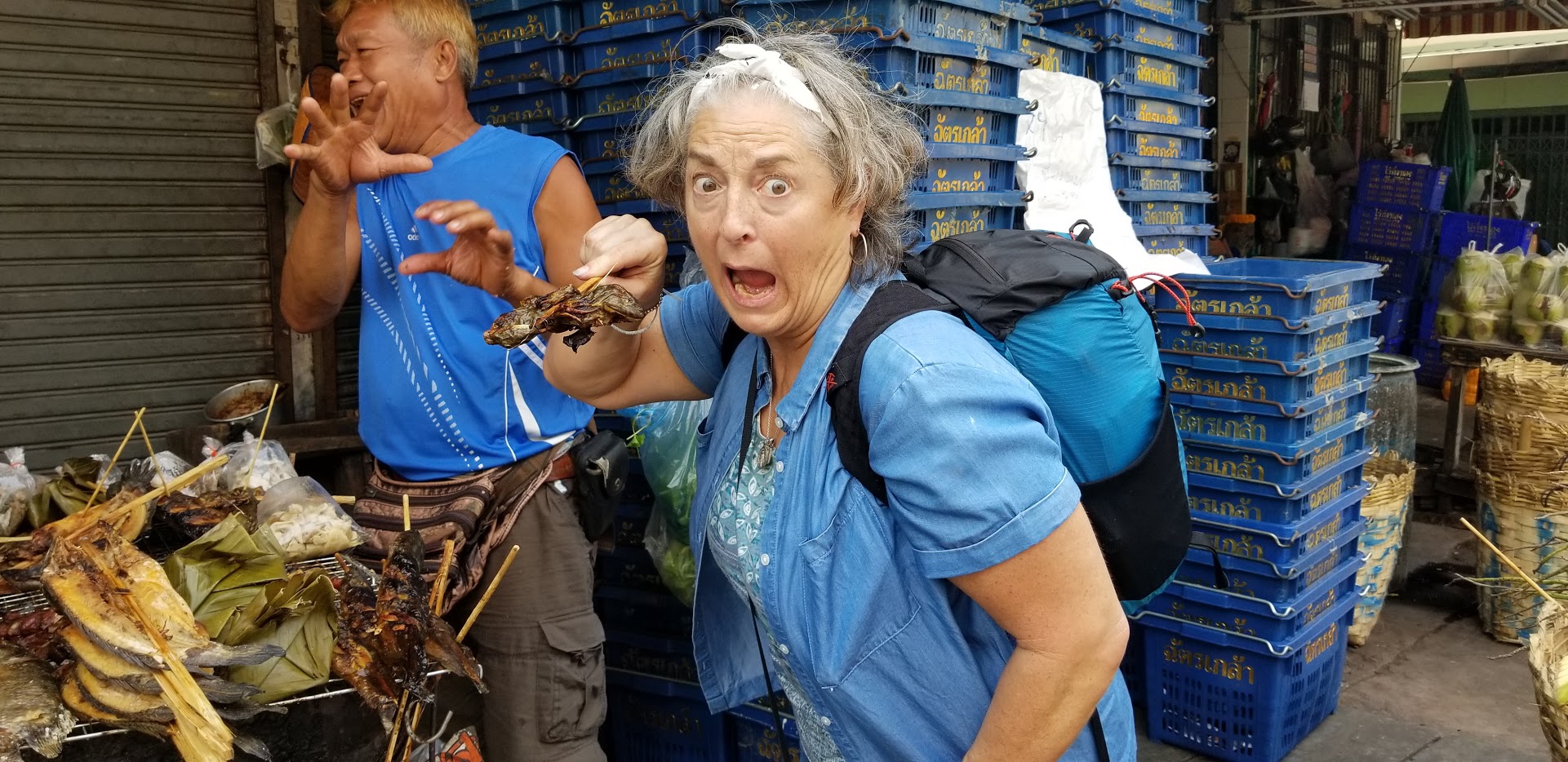
Frog on a stick anyone? 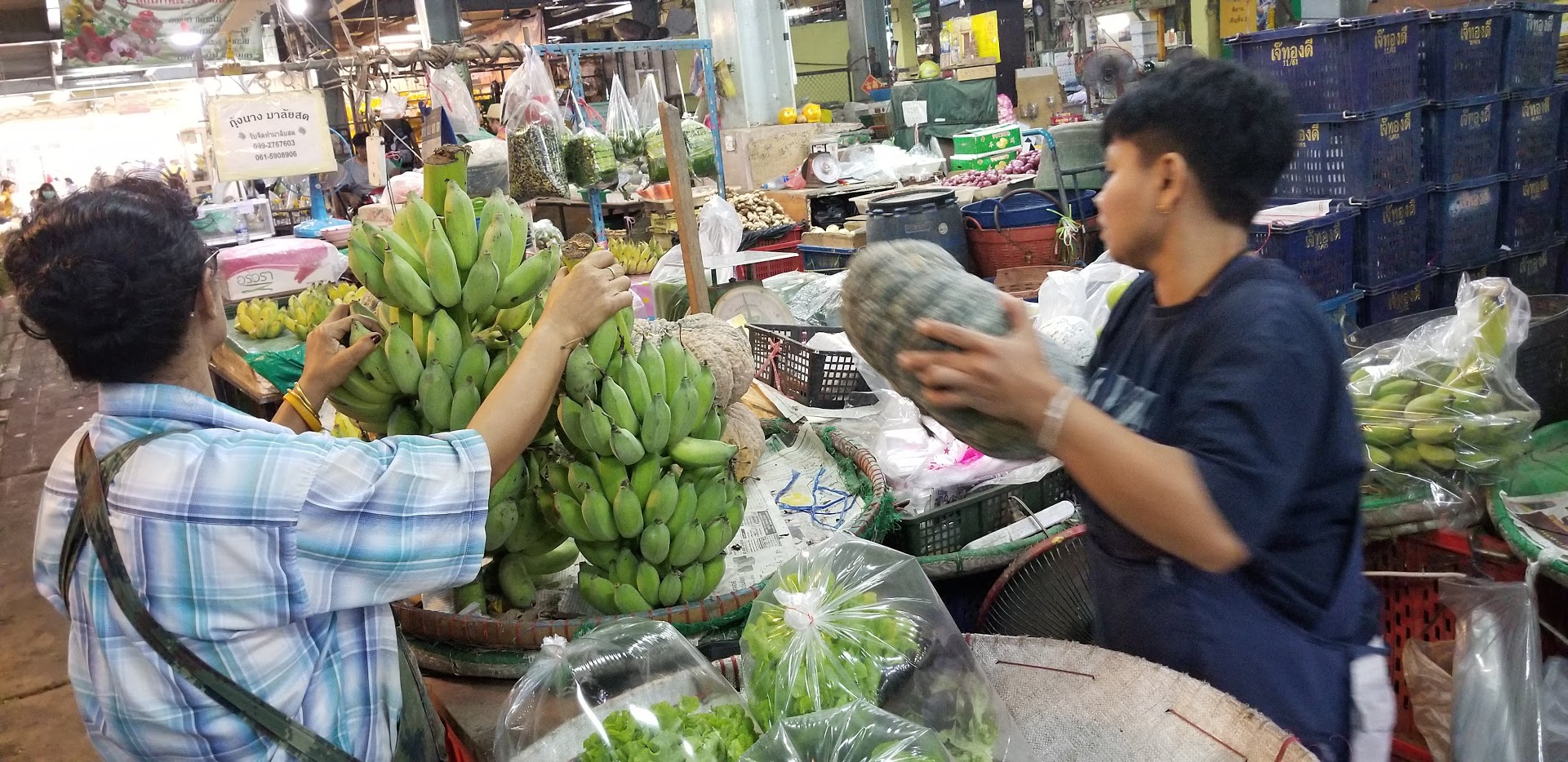
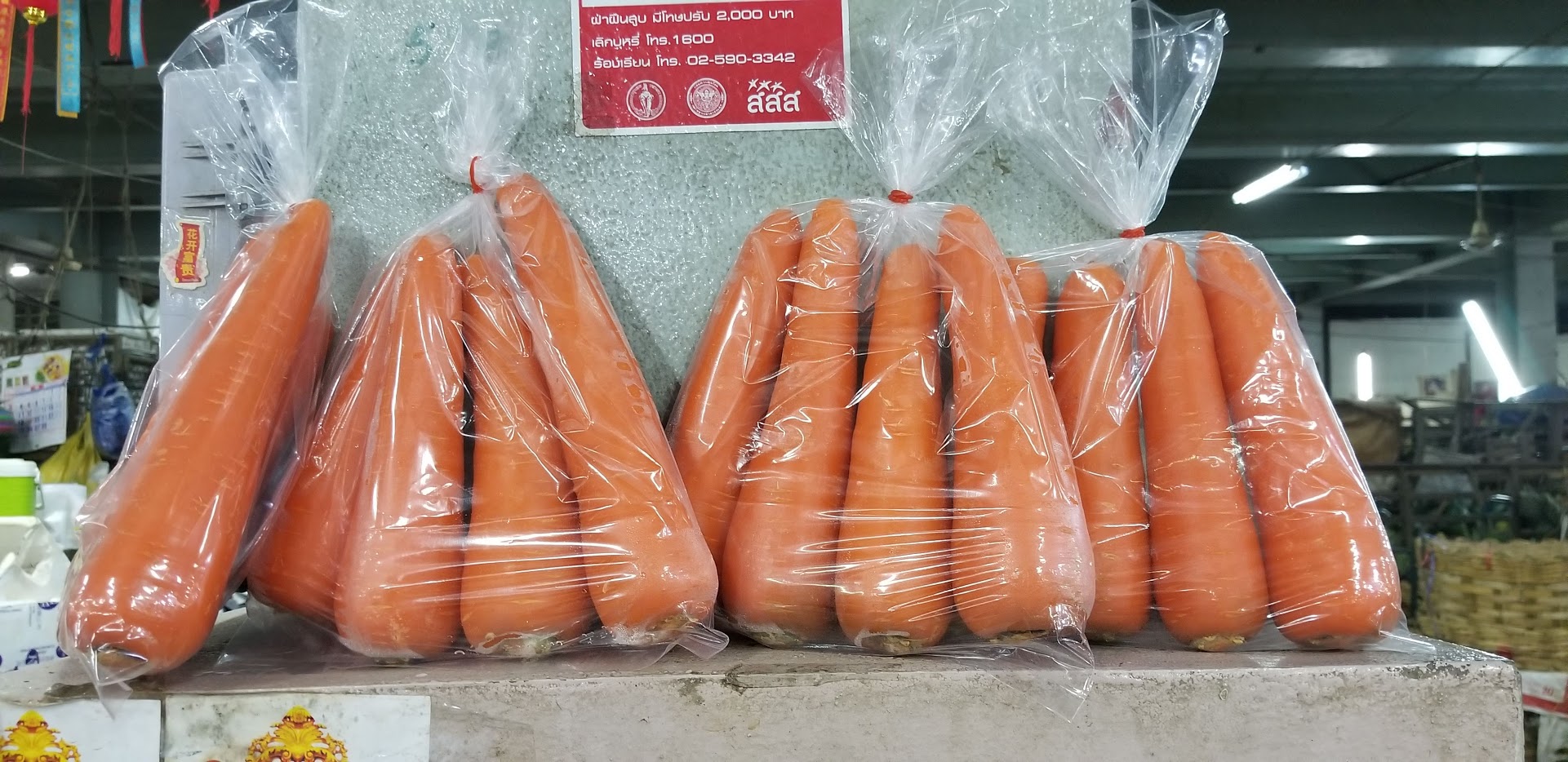
They grow’em BIG here! 


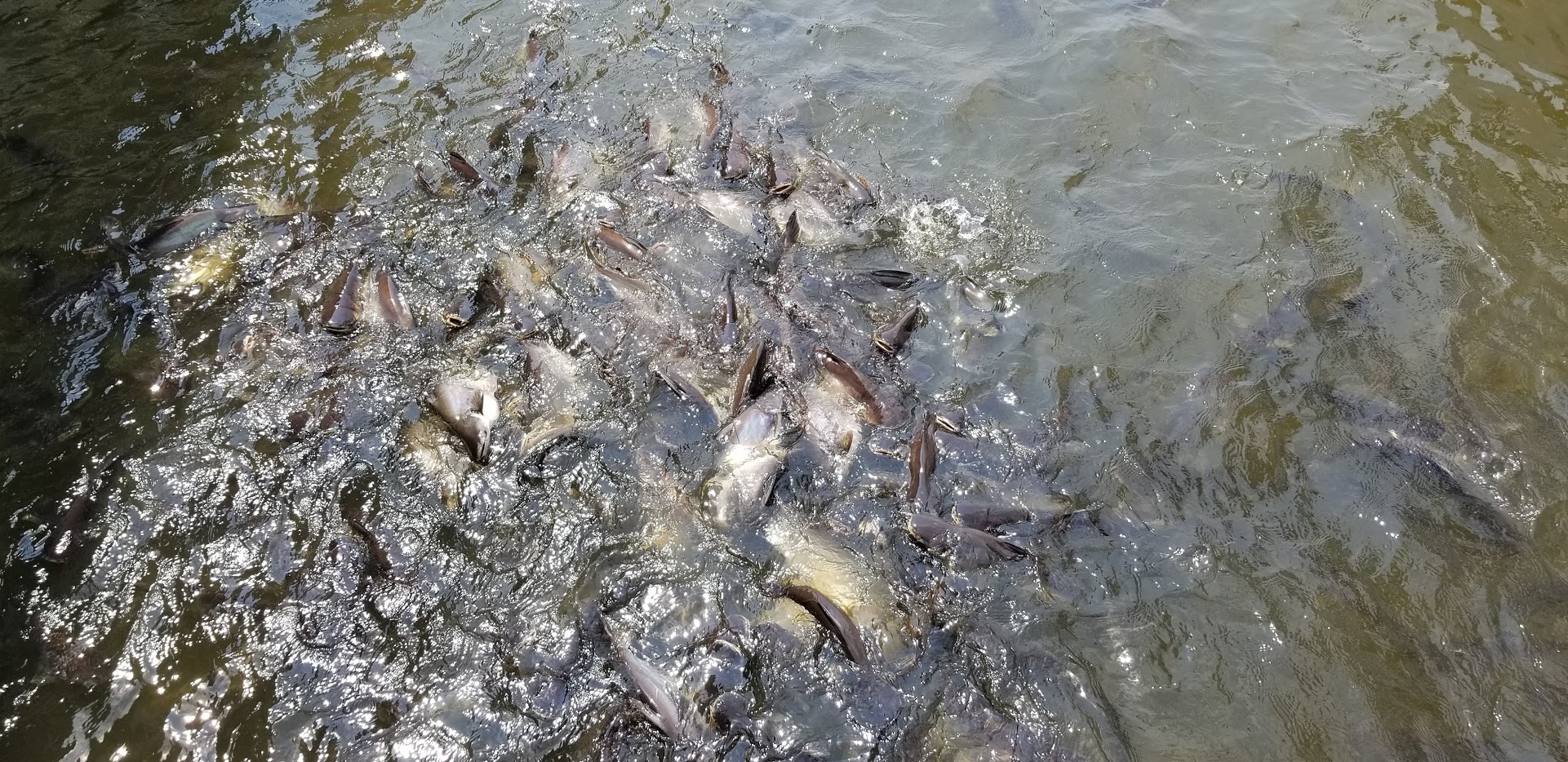
Cat fish at the pier 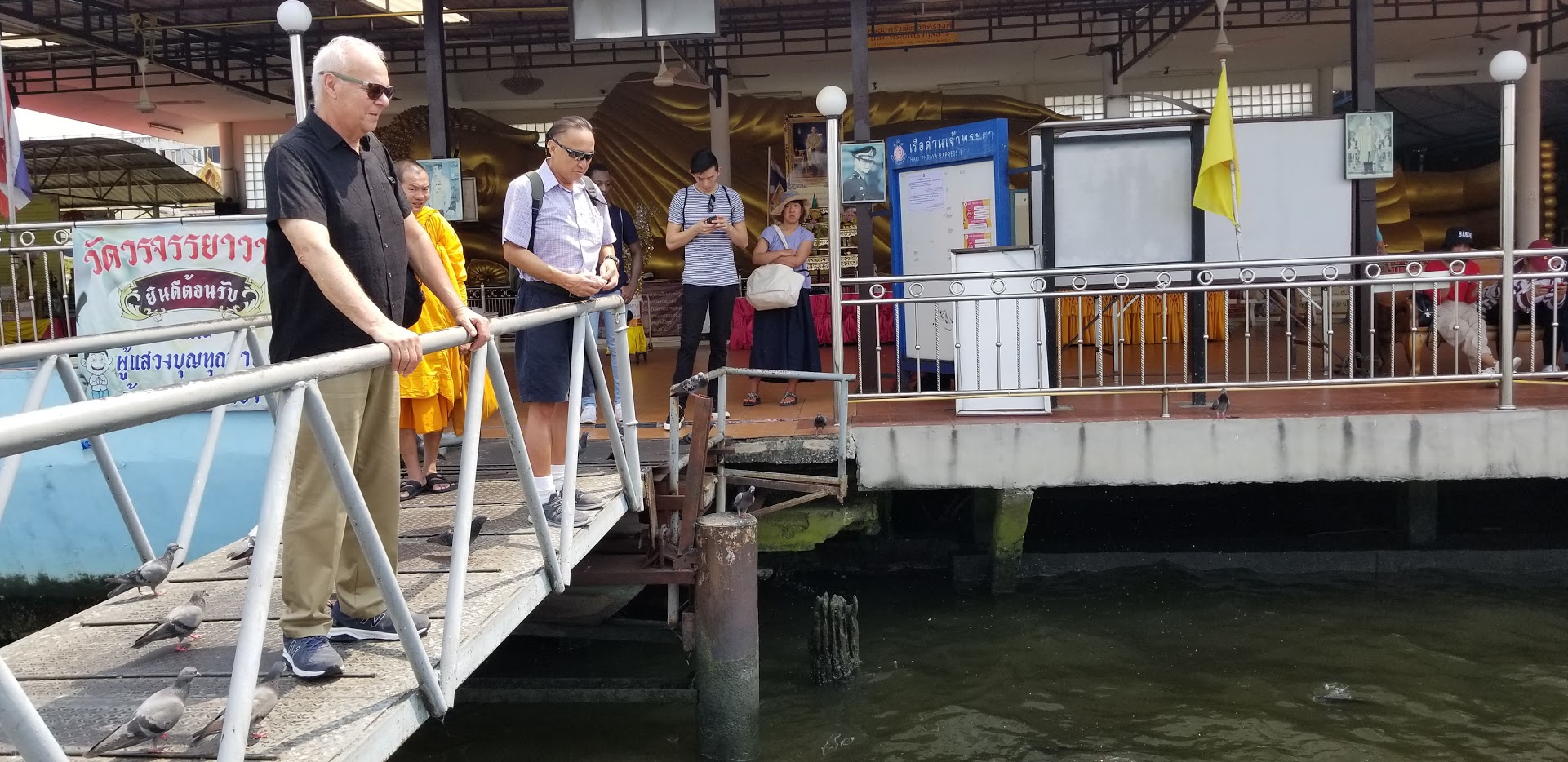
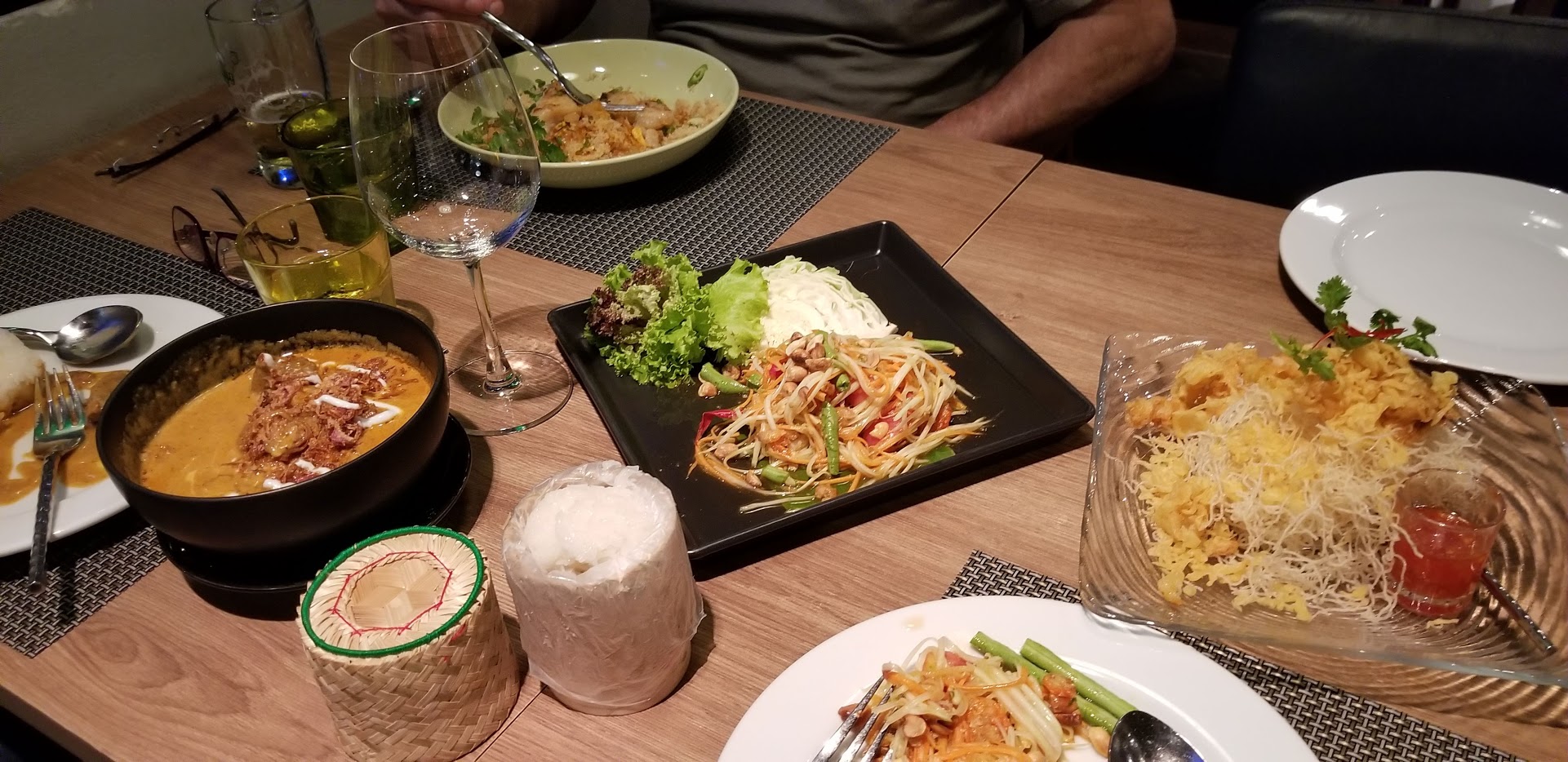

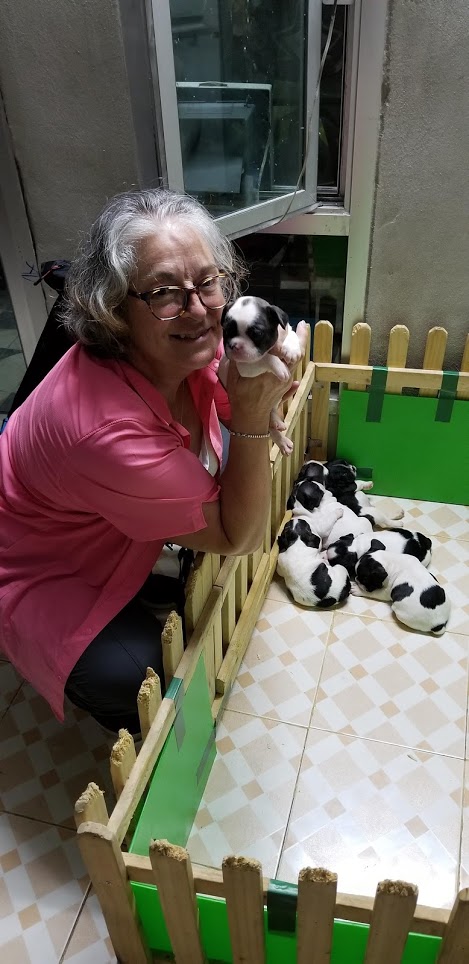
Ah Oh, they will be ready to take home when I leave!

Bus #1 – Hold on!!! 
Subway
Myanmar – Mon People
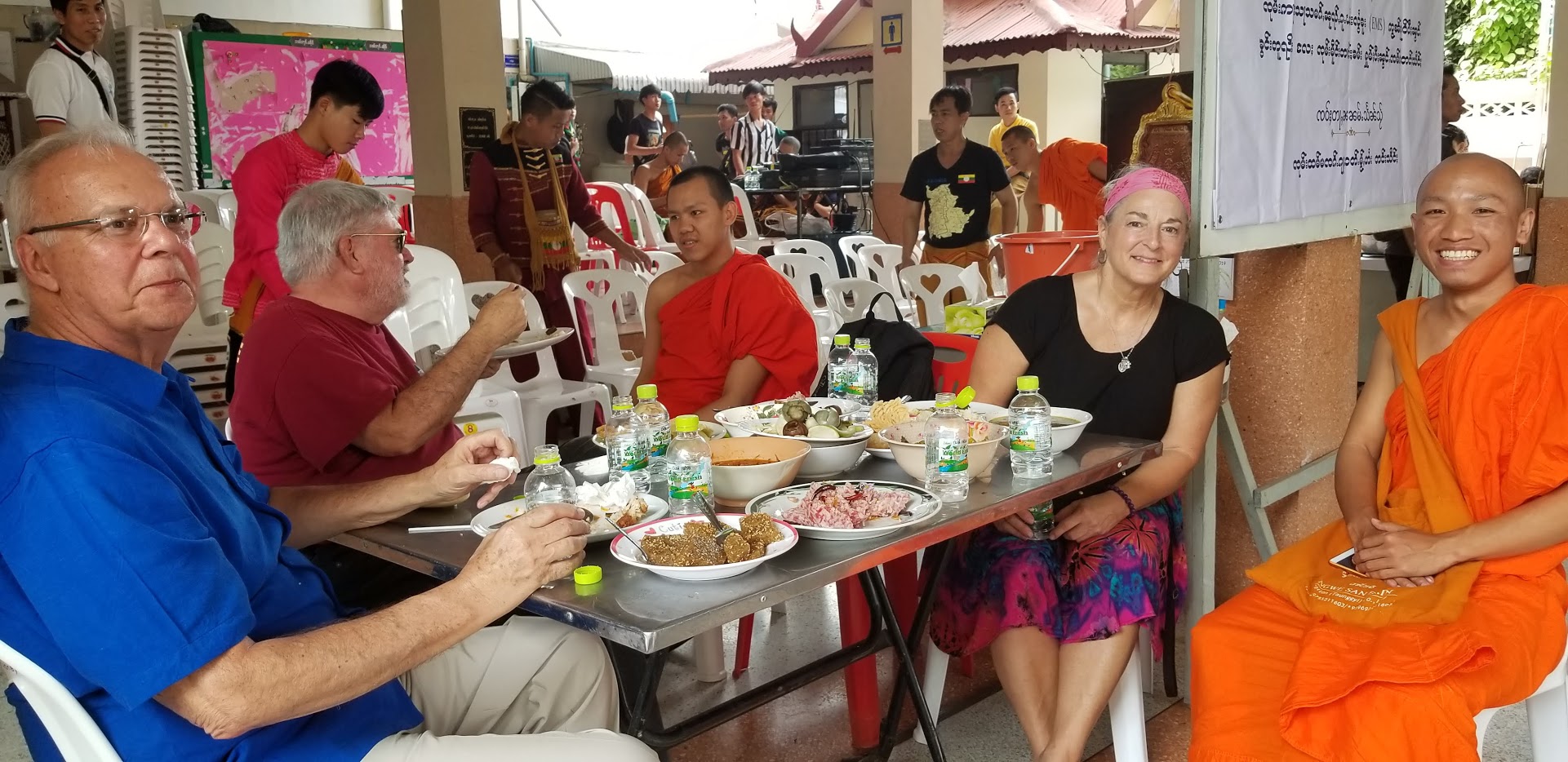
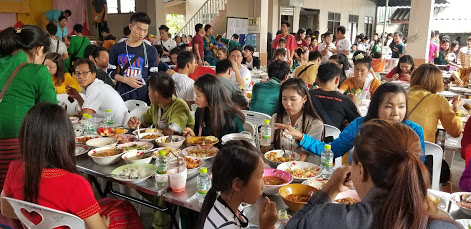
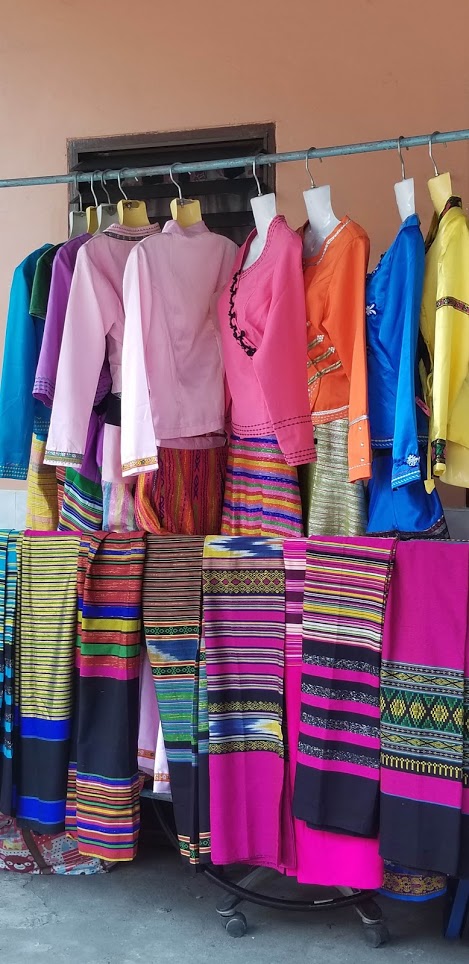
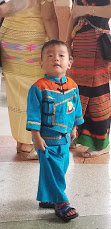
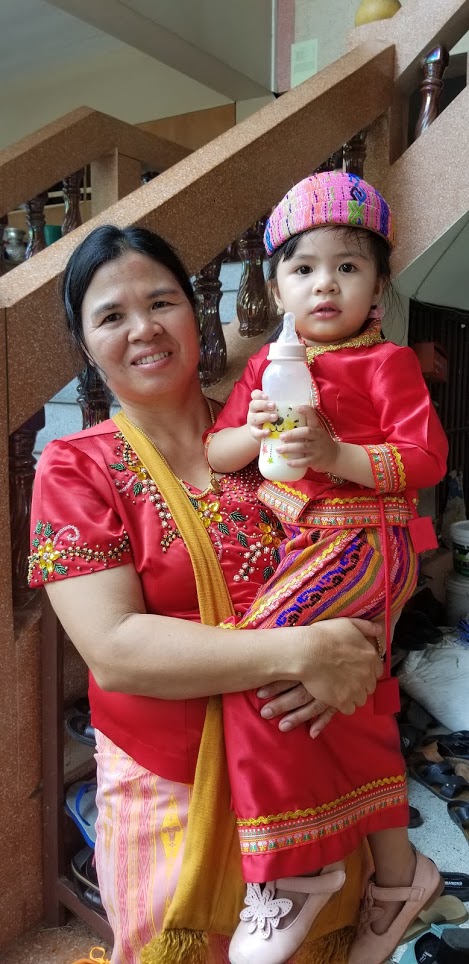
The Mon People are the earliest known inhabitants of lower Burma (now Myanmar). We were invited to attend the 72nd Anniversary of Shan State National Day at Wat Prok. Wat Prok is a Mon Buddhist Temple and one of the three temples where Maryknoll teaches English. Shan State is one of 7 state’s in Myanmar. It is the largest of the 14 provinces by land area. Myanmar consists of 14 provinces; or 7 states representing the areas 7 main ethnic races and 7 divisions. Mon people originally from Shan State who now reside in Thailand travelled from all over to attend the Anniversary celebration. The pride of their heritage was evident as displayed by their colorful cultural dress and array of culinary delights.
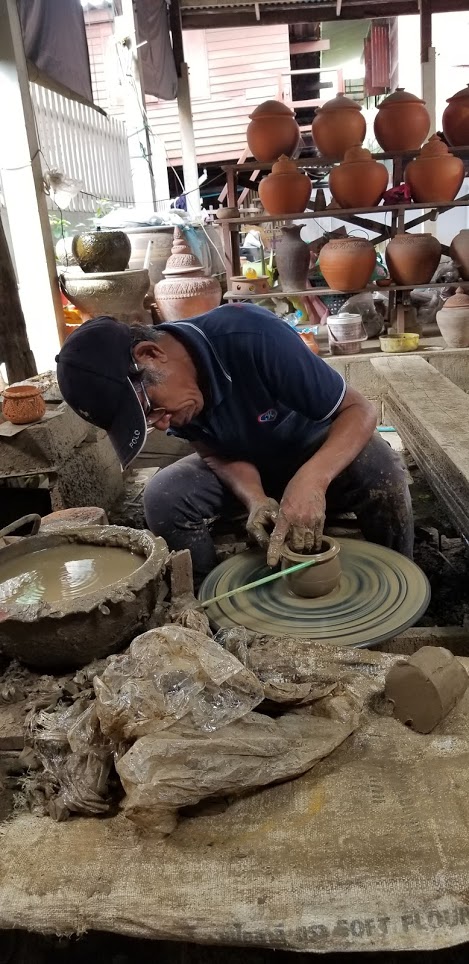
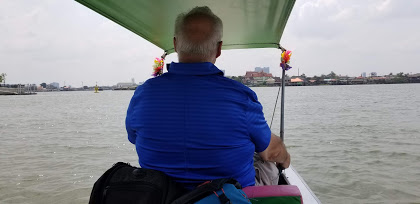
On my birthday we visited Ko Kret , a 1 sq. mile island created during the Ayutthaya period. It is populated by the Mon people whom were given refuge there when they fled the kingdom of Pegu, in Burma, after the Burmese king Alaungpaya destroyed it in 1757. We took the express boat along the Chao Phraya river from our starting point Pier -2 to Pier 30. From there, the three of us travelling together hired a half-size longtail boat for the 20 minute ride to Ko Kret. The boat made for a high-powered, exhilarating and bumpy ride! Ko Kret is best known for its Mon pottery, which is intricately designed, unglazed and colored orange or blackish -grey.


1/2 size longtail boat 
“Leaning stupa of Ko Kret”
Chedi Songmon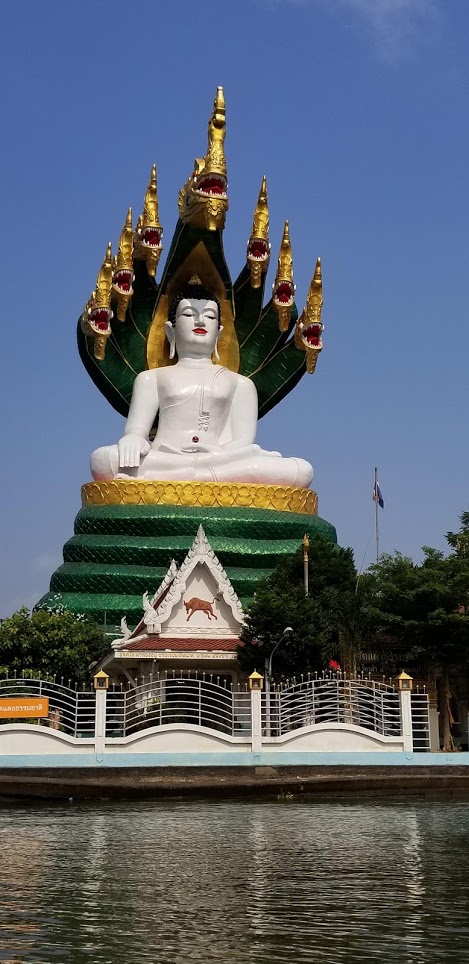
My Birth-day Buddha – Naga
On way to Ko Kret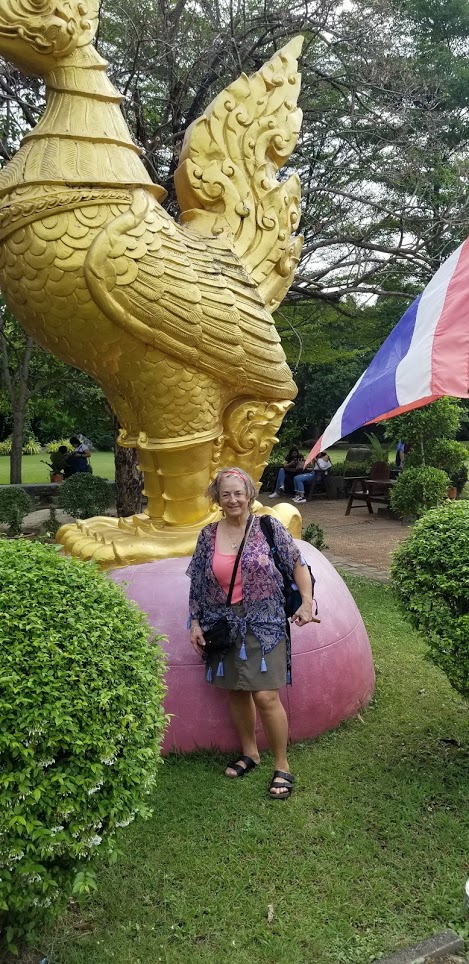
My Chinese Birth Year – Rooster
Wat Pai-Lom at Ko Kret
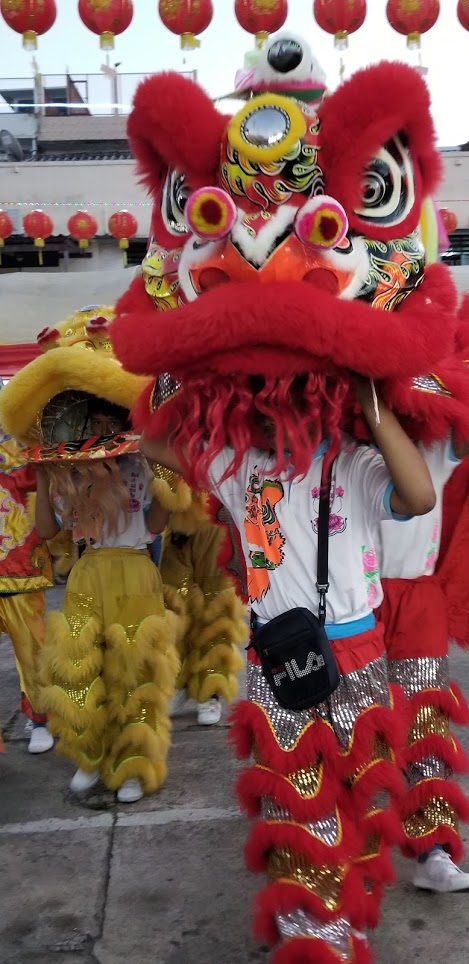
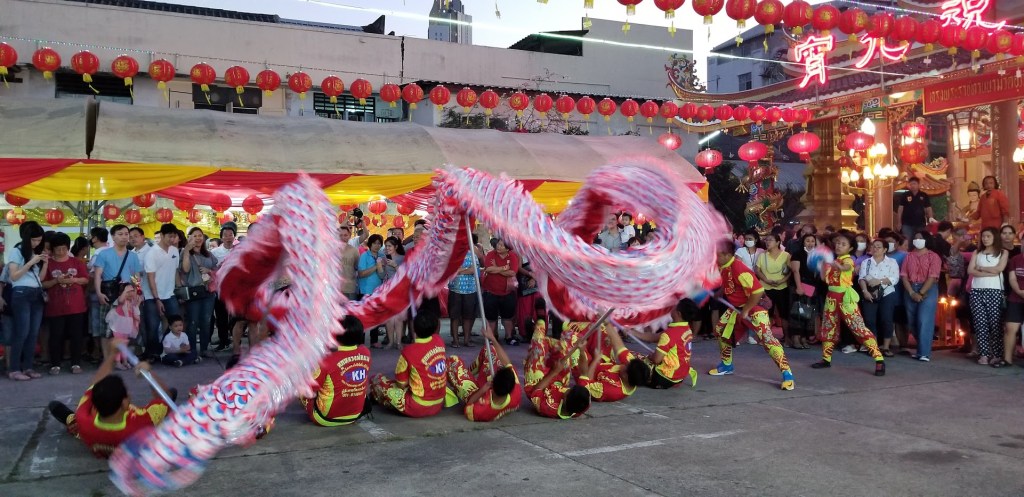
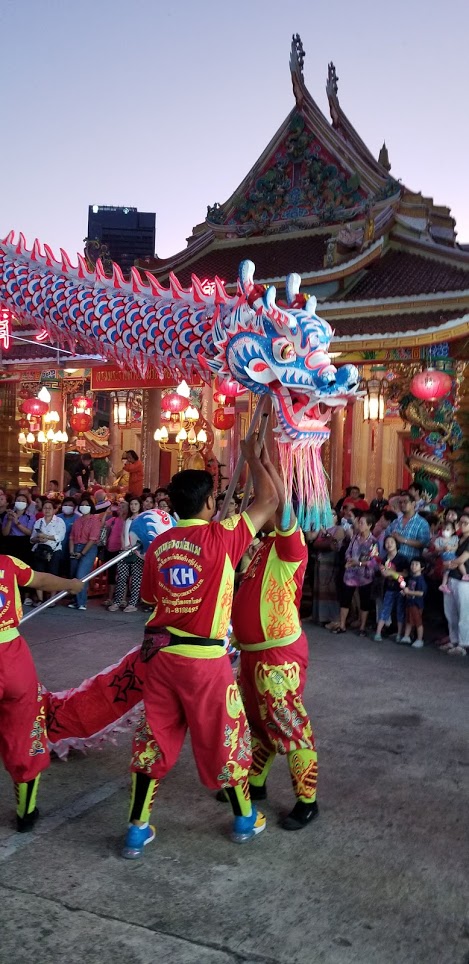
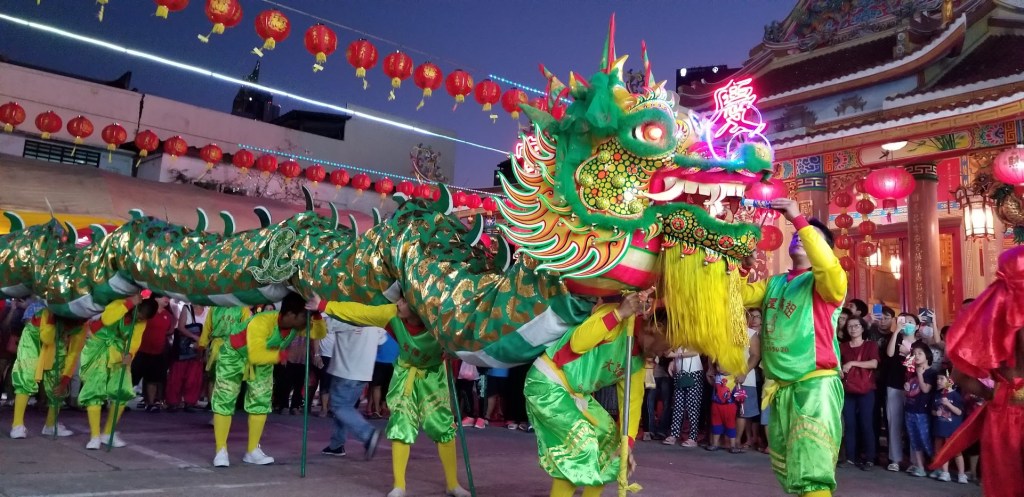
Chinese New Year & Magha Puja
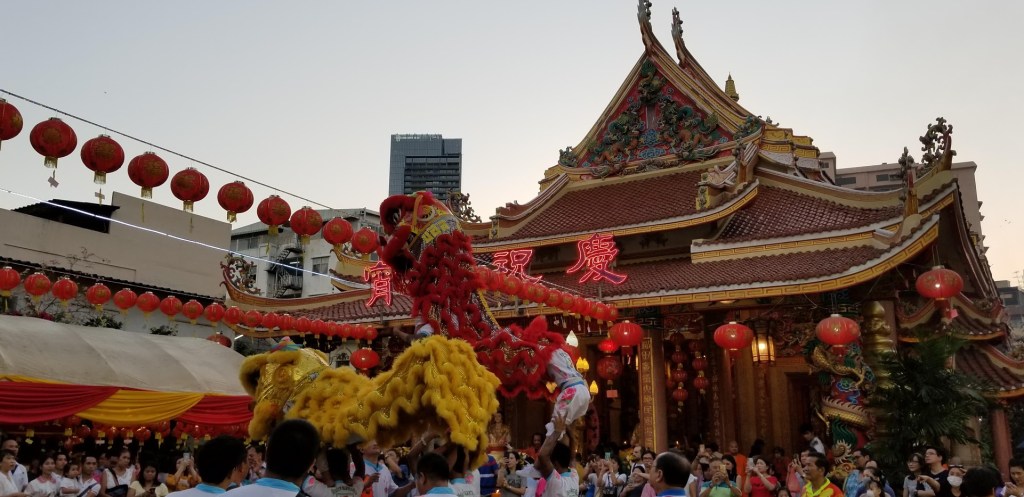
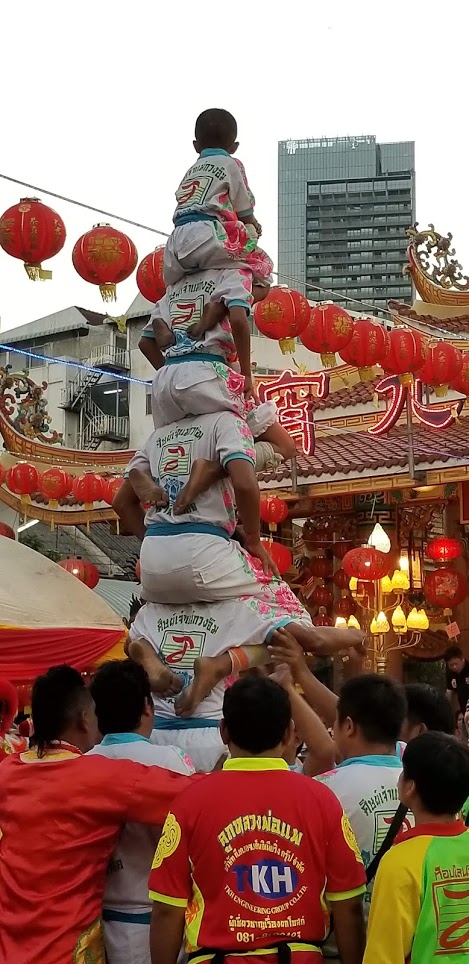
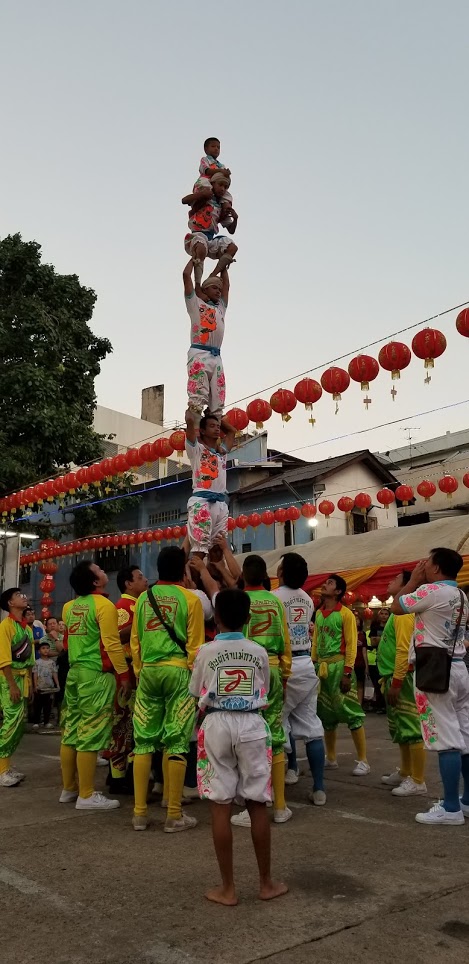
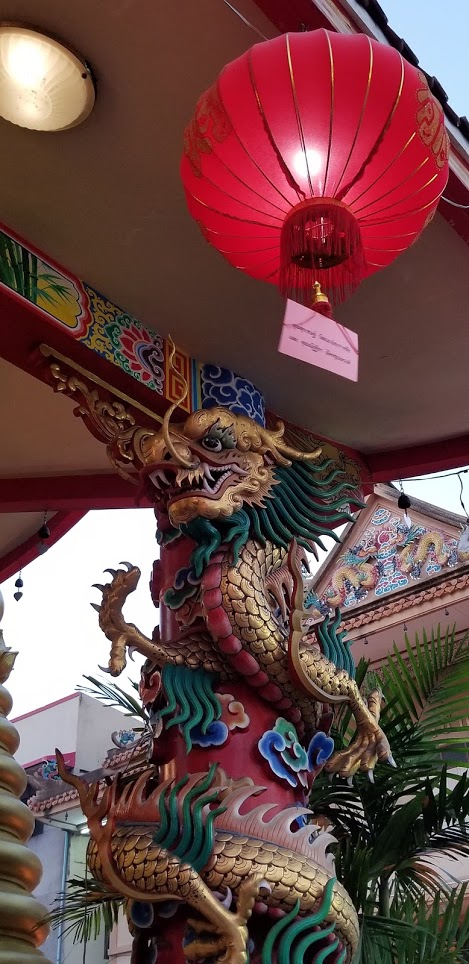
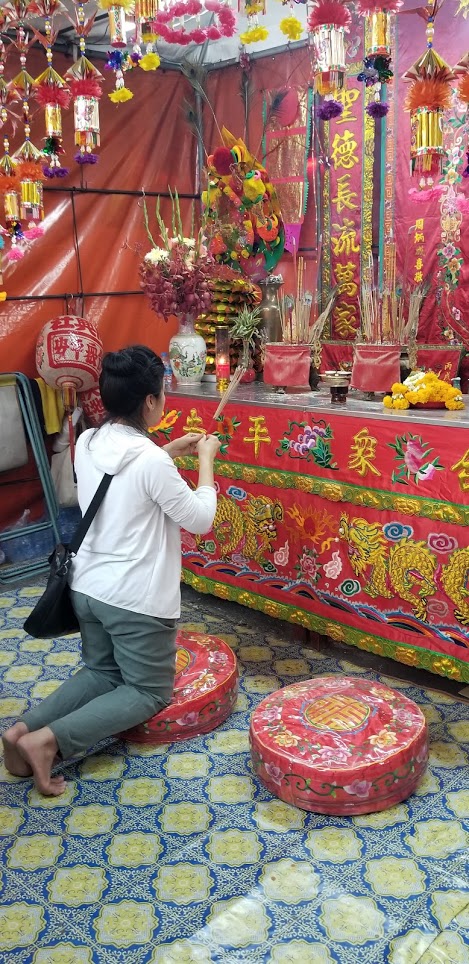
We participated in the end of the Chinese New Year celebrations as well as Magha Puja (Prayer Day) which both fall on the full moon day of the third lunar month. Of the 70 million population of Thailand polled in 2017, the Chinese community represents about 14% or 10 million people. Thailand is home to the largest overseas Chinese population. The religious affiliation in Thailand is Buddhist 54 million or 87%, Muslim 7.5 million or 12% and Christians are less than a million or .72%. Magha Puja is the 2nd most important Buddhist festival which commemorates a gathering that was held between the Buddha and 1,250 of his first disciples. On this day, Buddhists celebrate the creation of an ideal and exemplary community made up of Monks, Nuns, Laymen and Laywomen. Some authors have also referred to the day as the Buddhist “All Saints Day”.
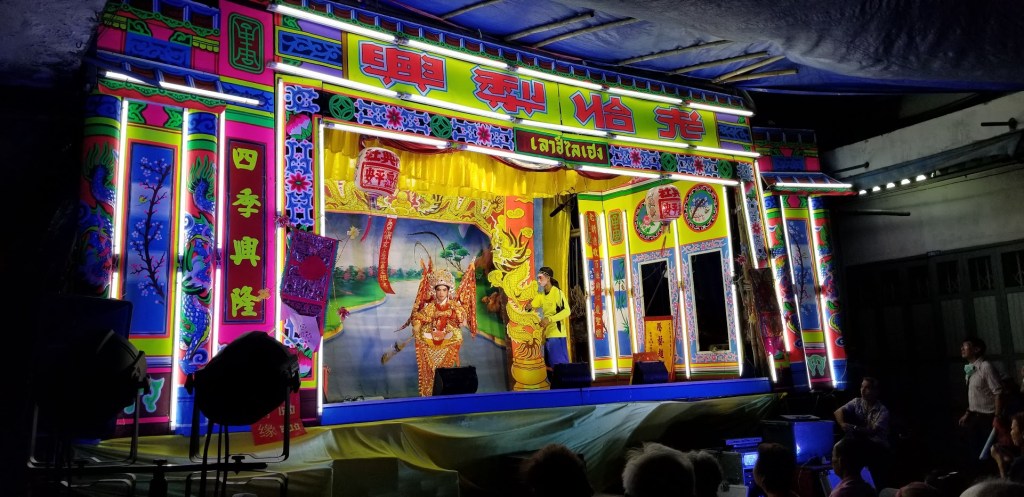
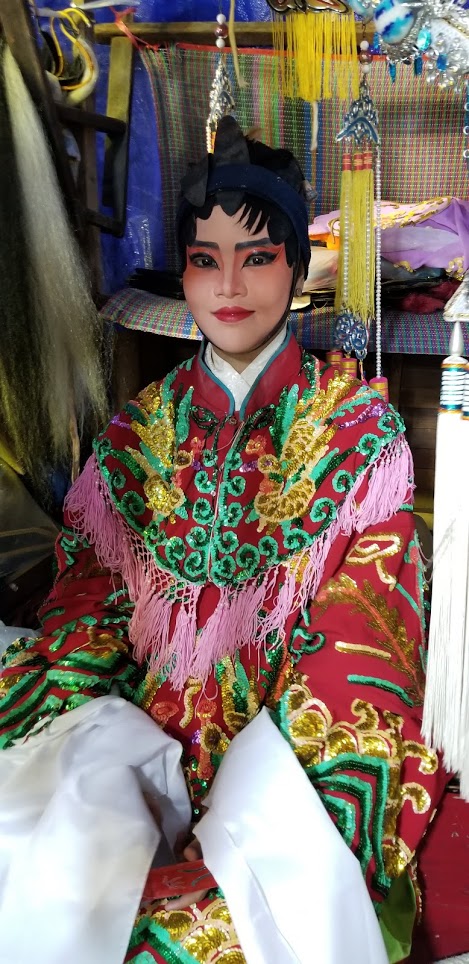
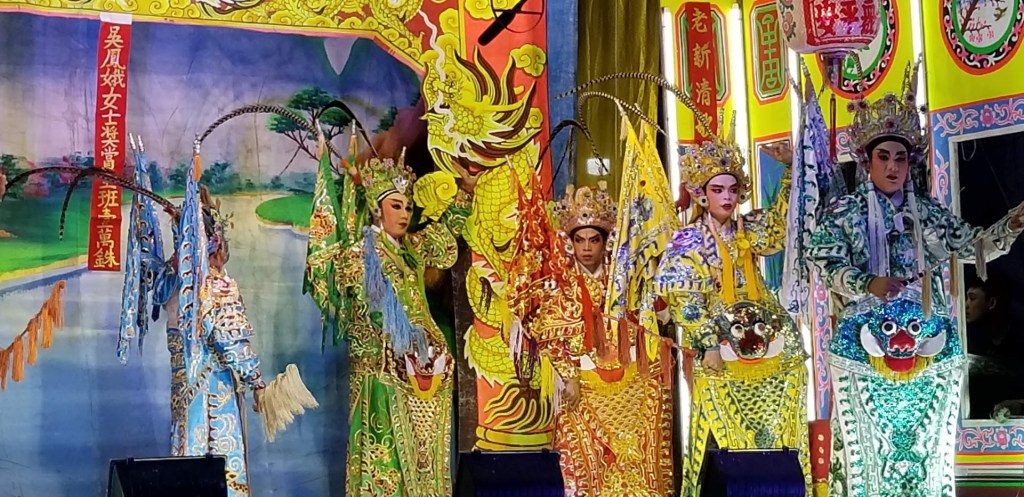
It was so exciting to see the lion and dragon dances as well as acrobatic performances up close and personal! In Chinese culture, the lion symbolizes strength, stability and superiority, while the dragon represents power, boldness and excellence. The dances are performed during festive occasions as a means to chase away evil spirits and welcome in prosperous times. After watching the dances we ventured to the outdoor Chinese Opera. The costumes were so colorful and beautiful but I did not understand a thing about the opera! Bro. John led us backstage and we were able to see the performers up close.
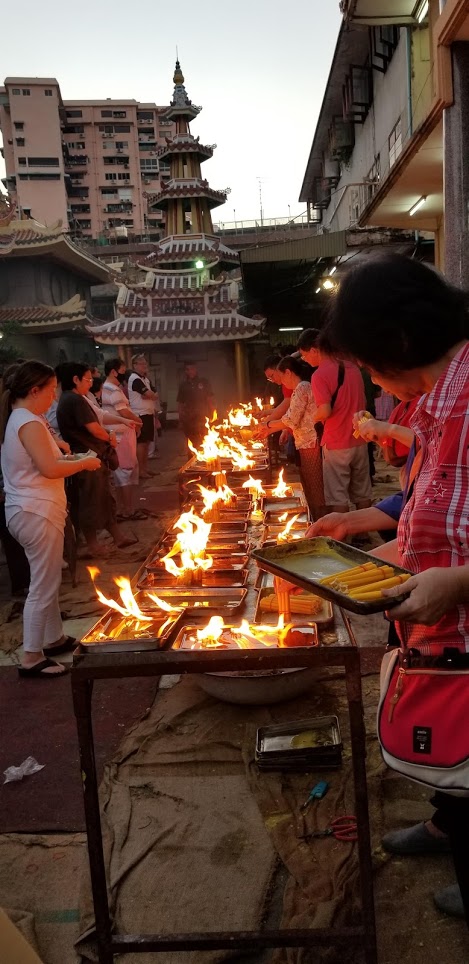
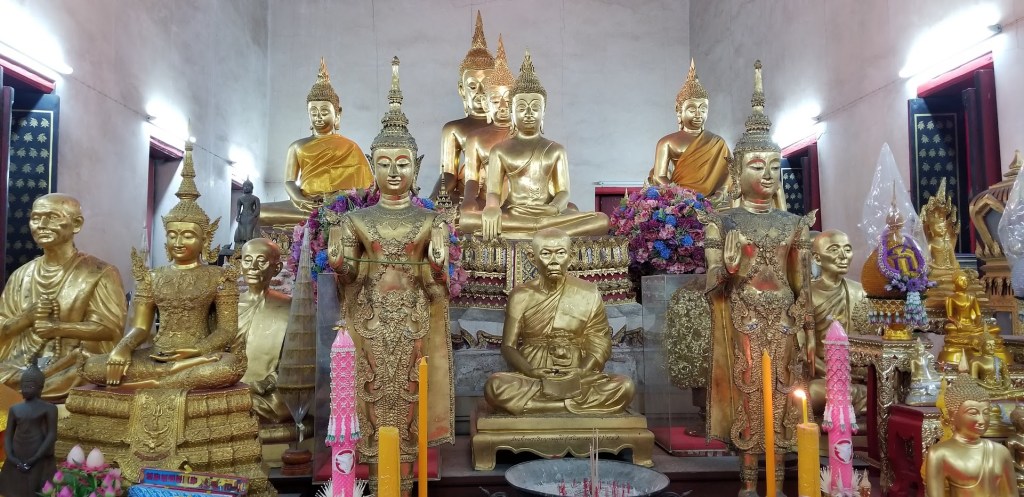
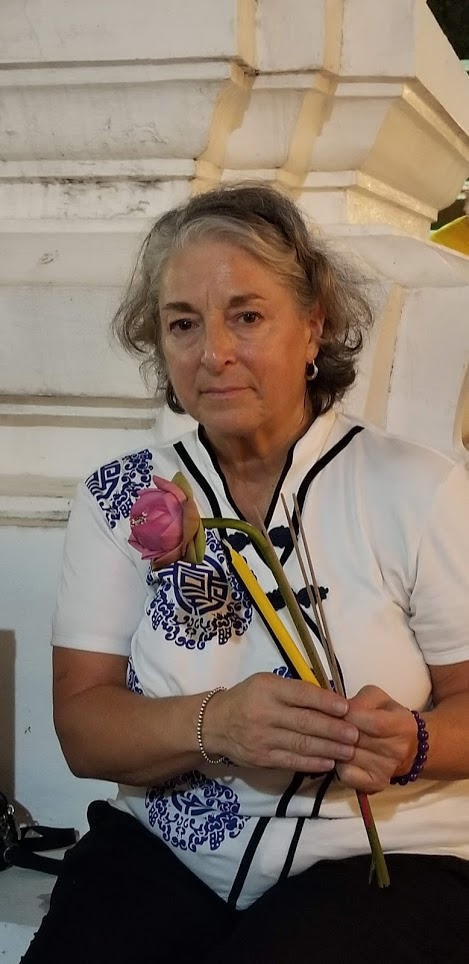
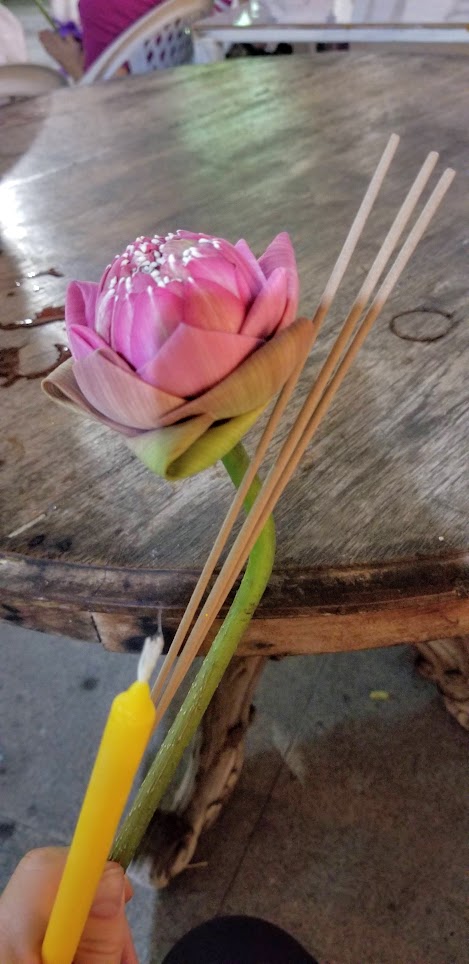
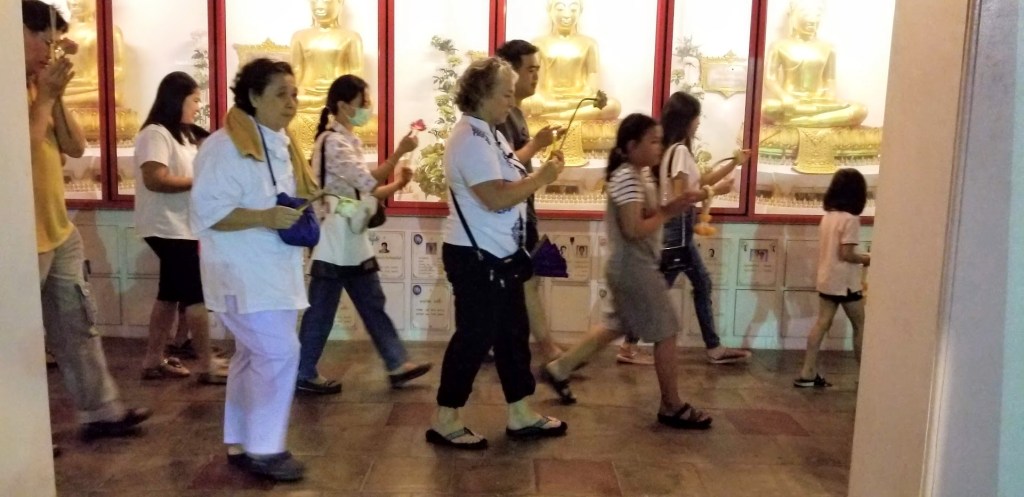
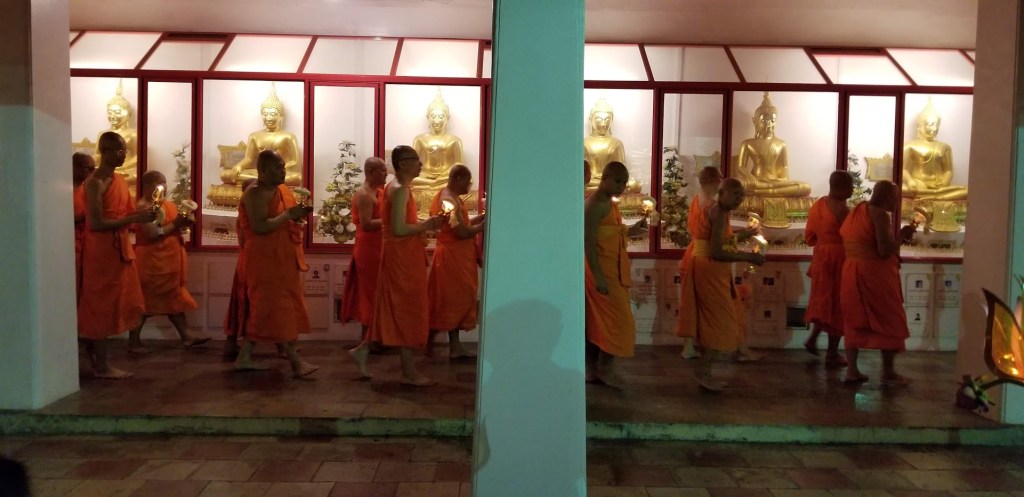
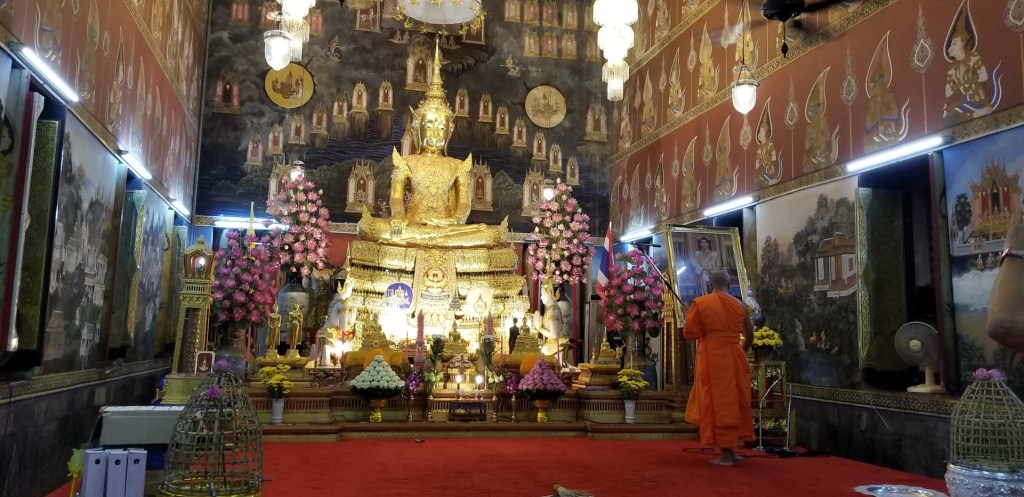
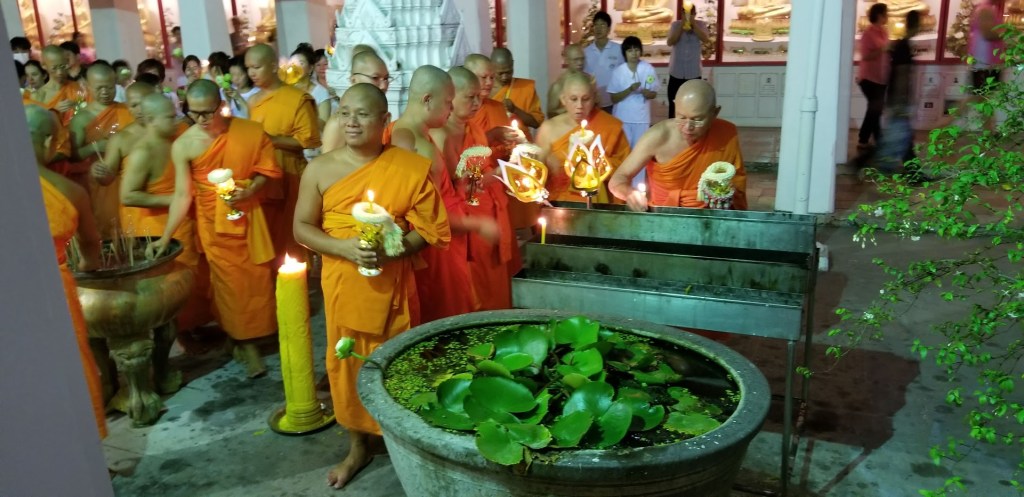
Later in the evening, some of us walked to Wat Sampheng to participate in the candle light procession in celebration of Magha Puja. Also known as Makha Bucha, the ceremony affirms the Buddhists devotion to the Triple Gem, to recite the Buddhist precepts, to meditate in silence and to walk clockwise behind the monks around the Chedi (outer temple) three times holding in tented hands at chest level a lighted candle, three incense sticks and a floral offering, all of which are then offered to the Buddha images of the temple. The flowers are symbolic of the beautiful qualities of the Buddha, the candlelight of the Dhamma (Buddhist teachings on “how to live a good life”) lighting up dark places of the mind and heart, and the incense of the pervasive and influential “fragrance” of the Sangha (Buddhist community).

Full Moon 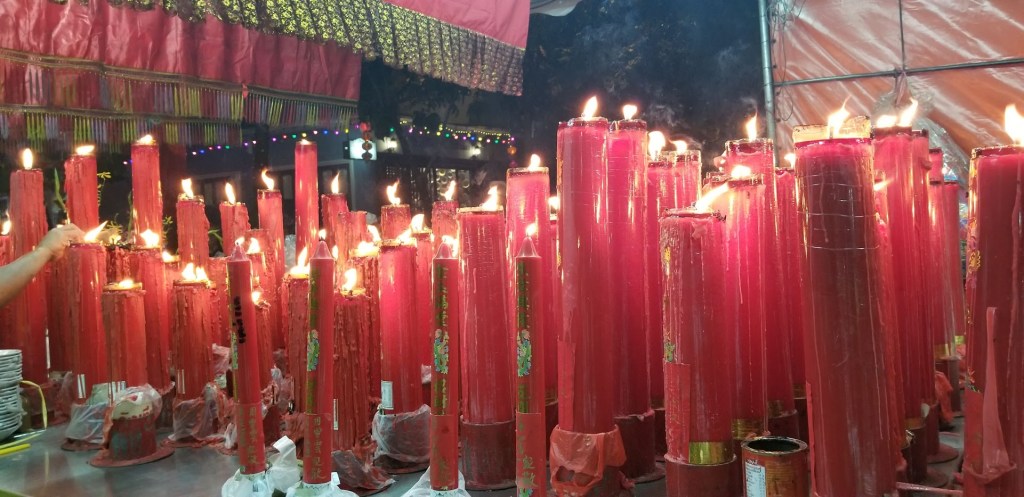





 Embracing Gray